
At Nomadify, we believe healing is not always found in complexity. Sometimes it lives in rhythm, nature, firelight, breath, and shared intention. Across ancient cultures, ritual was never separate from well-being—it was well-being.
As Beltane 2026 rises with the dawn of May, we are invited to remember something our ancestors understood deeply: transformation often begins through ceremony.
What Is Beltane?
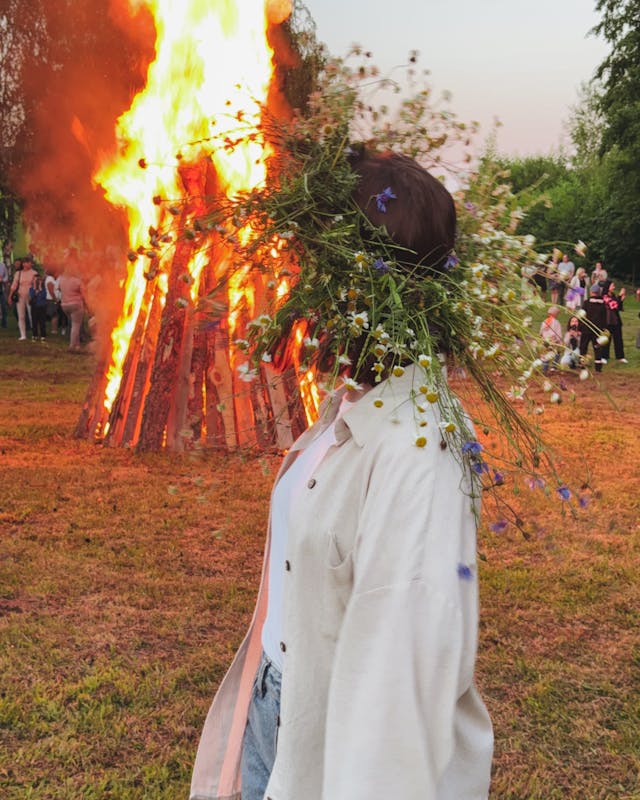
Beltane is a traditional Celtic seasonal festival historically observed around the beginning of May, marking the transition into summer and the fertile half of the year. Fire ceremonies, community gatherings, floral adornment, and symbolic acts of protection were common features in historical accounts.
Though modern life may seem far removed from ancient hilltop fires, the human nervous system has not changed as much as our schedules have. We still respond to rhythm, belonging, beauty, movement, and meaning.
Why Ritual Supports Well-Being: The Evidence
Many ancient rituals now align with what modern psychology and health science understand about resilience.
1. Ritual Reduces Anxiety Through Structure
Research in behavioural psychology shows that intentional repeated actions can reduce uncertainty and create a sense of control during stressful periods. Rituals provide predictable structure when life feels chaotic.
This may explain why our ancestors turned to ceremony during seasonal transitions. They understood change needs grounding.
2. Nature Exposure Restores the Mind
Beltane is deeply earth-centred. Time spent outdoors among trees, sunlight, and open landscapes has been linked with lower stress markers, improved mood, and better attention restoration in multiple modern studies.
A walk at sunrise on Beltane morning may be more therapeutic than many realise.
3. Fire and Light Create Emotional Meaning
The Beltane fire symbolised purification, renewal, and protection. Today, candle-lighting or sitting beside a fire can still act as a powerful mindfulness anchor. Warm light, focused attention, and symbolic intention can calm the nervous system and help emotional processing.
4. Community Heals
Traditional festivals were communal. Singing, dancing, sharing food, and gathering together reinforced social bonds. Strong social connection remains one of the clearest predictors of long-term mental and physical well-being.
The ancients knew isolation weakens the spirit.
A Beltane Ritual for 2026: Simple, Grounded, Powerful
You do not need a mountain or sacred grove. You only need presence.
Dawn Renewal Practice
1. Step outside early
Meet the morning light. Let natural daylight touch your eyes and skin.
2. Light a candle or lantern
Represent the inner fire that cannot be extinguished.
3. Breathe slowly for five minutes
Inhale growth. Exhale heaviness.
4. Write what you are ready to release
Fear, exhaustion, resentment, old stories.
5. Write what you welcome in
Vitality, courage, love, discipline, peace.
6. Move your body
Dance, stretch, walk barefoot on grass if safe to do so.
7. Speak gratitude aloud
The body listens when the voice becomes intentional.
What the Ancients Really Knew
They knew healing was not only clinical. It was seasonal. Social. Spiritual. Sensory.
They knew grief needs expression. Joy needs celebration. Fear needs fire. Hope needs witnesses.
Modern wellness often asks, “What supplement should I take?”
Ancient wisdom asked, “How shall I live in harmony with this moment?”
There is room for both—but one nourishes the soul.
Beltane 2026 Invitation
This Beltane, do not chase perfection. Create a pause. Honour your body. Mark the season. Let ritual become remembrance.
Because sometimes healing begins the moment we stop treating life as a problem to solve and start meeting it as something sacred to participate in.
More grounded wellness, nature wisdom, and conscious living can be found at Nomadify.co.uk.
Love Life x
References
- Hutton, R. (1996). The Stations of the Sun: A History of the Ritual Year in Britain. Oxford University Press.
- Norton, M. I., & Gino, F. (2014). Rituals alleviate grieving for loved ones, lovers, and lotteries. Journal of Experimental Psychology: General, 143(1), 266–272.
- Hobfoll, S. E. (1989). Conservation of resources: A new attempt at conceptualizing stress. American Psychologist, 44(3), 513–524.
- Bratman, G. N., Hamilton, J. P., & Daily, G. C. (2012). The impacts of nature experience on human cognitive function and mental health. Annals of the New York Academy of Sciences, 1249(1), 118–136.
- Twohig-Bennett, C., & Jones, A. (2018). The health benefits of the great outdoors: A systematic review and meta-analysis of greenspace exposure. Environmental Research, 166, 628–637.
- Holt-Lunstad, J., Smith, T. B., & Layton, J. B. (2010). Social relationships and mortality risk: A meta-analytic review. PLoS Medicine, 7(7), e1000316.
- Porges, S. W. (2011). The Polyvagal Theory: Neurophysiological Foundations of Emotions, Attachment, Communication, and Self-Regulation. W.W. Norton & Company.