
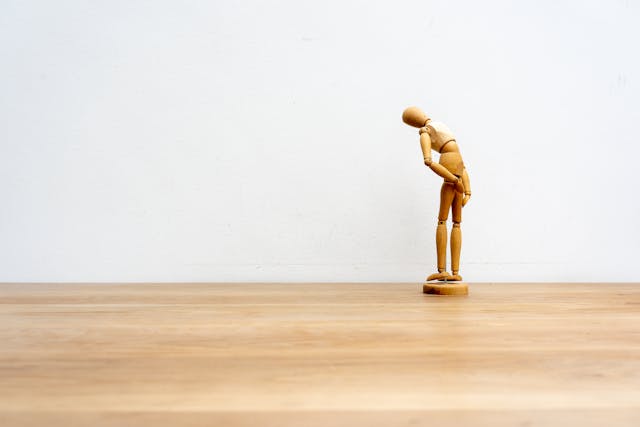
Lately, I’ve been thinking about how easy it is to become disconnected from our bodies.
Not in a dramatic way—but in the small, everyday moments. Sitting for too long. Ignoring tension. Pushing through tiredness. Over time, it becomes normal… until it doesn’t.
There was a point where I started to notice it more clearly. My shoulders always felt tight, my energy was low, and even when I slowed down, I didn’t feel fully relaxed. It was like my body had learned to stay in a constant state of tension without me even realising.
It reminded me a lot of what I explored in Improving Health and Well-Being in Today’s Busy World—how modern life quietly pulls us away from balance. We adapt to stress, routine, and discomfort so well that we stop questioning it.
And then I started noticing something small.
That stretch in the morning—the one you don’t think about. Arms reaching overhead, your back gently arching, sometimes a yawn that seems to move through your whole body. It’s automatic, instinctive.
That’s pandiculation.
I hadn’t thought much of it before, but the more I paid attention, the more I realised it felt different from anything I was intentionally doing to “fix” the tension. It wasn’t forced. It didn’t feel like effort. It felt like my body was doing exactly what it needed—on its own.

Before this, I always thought stretching was the answer. But most of the time, stretching felt like I was trying to make my body relax, rather than allowing it to. Pandiculation works more quietly. It begins with awareness—gently engaging a muscle, noticing the tension, and then slowly releasing it with control.
There’s something subtle but powerful in that process. It’s not just physical—it feels neurological, like you’re reminding your body that it doesn’t need to hold on so tightly.
As I started leaning into it more—especially in the mornings or after long periods of sitting—I noticed small shifts. Nothing dramatic, but consistent. I felt less stiff. More aware of where I was holding tension. Calmer, without trying to force calm. More connected to myself in a way that’s hard to describe but easy to feel.
It wasn’t something I had to schedule or turn into a routine. It just became a habit of noticing.
If I felt tension, I’d pause. Gently contract the area. Slowly release. Let my breathing settle. Sometimes it turned into a full-body stretch, sometimes it was just my shoulders or neck. There was no structure to follow, which is probably why it felt sustainable.
A lot of what I come back to through Nomadify is the idea that well-being doesn’t always come from doing more. Sometimes it comes from becoming more aware of what’s already there. Pandiculation fits into that naturally. It doesn’t require anything external. It’s something your body already knows how to do—we’ve just learned to ignore it.
Your body is constantly communicating with you. Most of the time, we’re just too distracted to notice.
Pandiculation is one of those quiet signals. A built-in reset that’s always there, waiting.
So the next time you wake up or feel that familiar tension building during the day, pause for a moment. Stretch slowly. Breathe. Let your body lead instead of forcing it.
Sometimes, the simplest things are the ones that bring us back to ourselves.
Love Life x
References
- Hanna, T. (1988). Somatics: Reawakening the Mind’s Control of Movement, Flexibility, and Health.
- Feldenkrais, M. (1990). Awareness Through Movement.
- Schleip, R. (2003). Fascial plasticity – a new neurobiological explanation. Journal of Bodywork and Movement Therapies.
- National Institute of Neurological Disorders and Stroke – Muscle control and nervous system function
- Article: Improving Health and Well-Being in Today’s Busy World (Nomadify)