
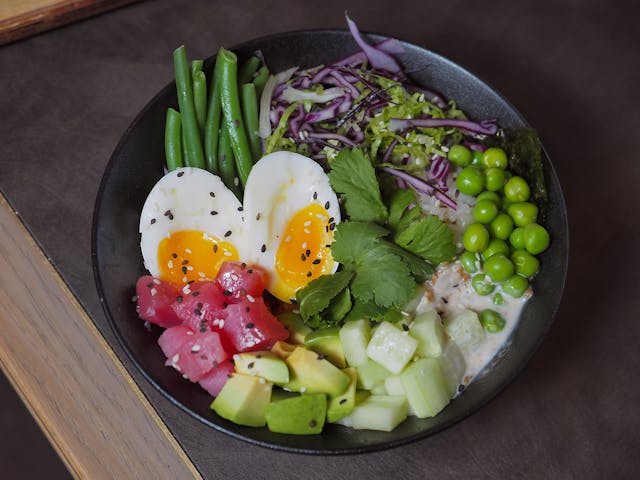
Discover how an oestrogen-rich diet can naturally ease menopause symptoms. Learn about phytoestrogens, key foods, and evidence-based lifestyle tips.
Keywords: menopause diet, oestrogen-rich foods, phytoestrogens, natural menopause relief, menopause nutrition, hot flash remedies, women’s wellbeing
If you’re navigating hot flashes, restless nights, or mood changes, you’re not alone. Menopause is a natural transition that every woman experiences, yet its symptoms can be frustrating and unpredictable. The good news? What’s on your plate may help. Emerging research suggests that certain foods — especially those rich in natural, oestrogen-like compounds — can gently support your body and ease the impact of hormonal changes.
Understanding Oestrogen and Phytoestrogens
During menopause, the ovaries gradually produce less oestrogen, the hormone that helps regulate mood, temperature, bone strength, and heart health. As levels fall, many women experience symptoms such as hot flashes, sleep disruption, and low energy.
While foods don’t contain human oestrogen, many plants produce phytoestrogens — natural compounds that have a similar chemical structure. These include isoflavones, lignans, and coumestans, which can weakly bind to oestrogen receptors in the body. In low-oestrogen states, such as menopause, they may help mimic some of the hormone’s beneficial effects — improving temperature regulation, supporting bone and heart health, and enhancing overall well-being.
What the Research Says
Scientific studies show that diets rich in phytoestrogen-containing foods can make a real difference, although results vary from person to person.
In one 12-week clinical trial, postmenopausal women who followed a low-fat, plant-based diet with daily servings of soybeans experienced a significant reduction in hot flashes and night sweats compared to those who did not. Meta-analyses of multiple studies also confirm that isoflavones — the main phytoestrogens in soy — can reduce hot flash frequency and intensity, with the best results seen after several weeks of consistent intake.
Beyond easing symptoms, a diet high in plant-based foods supports gut health, weight balance, and inflammation control, all of which influence how the body manages menopause. Since gut bacteria help activate phytoestrogens, maintaining a healthy microbiome is key to getting the most benefit.
Foods That May Help
Below is a guide to foods naturally rich in phytoestrogens and those that support healthy estrogen balance.
| Food Type | Key Compounds | Potential Benefits | Easy Ways to Include |
|---|---|---|---|
| Soy (tofu, tempeh, edamame, soymilk) | Isoflavones (genistein, daidzein) | May reduce hot flashes, support heart and bone health | Add tofu to stir-fries or snack on edamame |
| Flaxseed, sesame seeds | Lignans (enterolactone, enterodiol) | Supports estrogen metabolism and gut function | Stir ground flaxseed into porridge or smoothies |
| Legumes (chickpeas, lentils, beans) | Isoflavones, coumestans | Stabilise blood sugar, support heart and hormone balance | Swap meat for lentil curries or bean salads |
| Whole grains (oats, barley, rye) | Lignans | Support gut and cardiovascular health | Choose whole-grain bread or add barley to soups |
| Nuts and seeds (pumpkin, sunflower, walnuts) | Lignans, plant sterols | Reduce inflammation and support hormone balance | Add to salads or sprinkle over yogurt |
| Cruciferous vegetables (broccoli, kale, Brussels sprouts) | Indoles, sulforaphane | Help the liver detoxify estrogen safely | Eat lightly steamed or roasted |
| Dried fruits (apricots, prunes, dates) | Mild phytoestrogens | Provide gentle hormonal support and key minerals | Enjoy as a snack or add to breakfast bowls |
Lifestyle Tips for Menopause Balance
A diet rich in plant-based, oestrogen-friendly foods is most effective when combined with other healthy lifestyle habits:
- Be consistent. Regular daily intake over several weeks yields the best results.
- Feed your gut. Include plenty of fibre, fermented foods (like kefir or sauerkraut), and water to support the microbiome that activates phytoestrogens.
- Move regularly. Exercise improves mood, bone strength, and hormone metabolism.
- Manage stress and sleep. Mindfulness, breathing exercises, or yoga can reduce cortisol — a hormone that often worsens menopause symptoms.
- Maintain a healthy weight. Too much body fat can increase inflammation and disrupt hormonal balance.
The Takeaway
Menopause can feel unpredictable, but your diet is one area you can control. By including more soy, seeds, legumes, whole grains, and colourful vegetables, you can naturally support your body’s hormonal balance, reduce symptoms, and boost energy and confidence.
Small, consistent dietary changes — paired with mindful living and self-care — can make this transition smoother and more empowering.
Love Life x
References
- Utian WH. A review of the evidence for the use of phytoestrogens in menopause. JAMA Internal Medicine.
- Pastore LM et al. A dietary intervention for vasomotor symptoms of menopause: plant-based diet with soybeans.
- Taku K, Melby MK, Kronenberg F, Kurzer MS, Messina M. Efficacy of phytoestrogens for menopausal symptoms: a meta-analysis of randomized controlled trials.
- Effects of Dietary Phytoestrogens on Hormones throughout a Human Lifespan.
- The Effects of Phytoestrogens on Postmenopausal Health: A Review.
- Nutrition in Menopausal Women: A Narrative Review.
- The Importance of Nutrition in Menopause and Perimenopause.
- Phytoestrogens. Medical News Today.
- Menopause Diet: How What You Eat Affects Your Symptoms. Healthline.
- Role of Diet and Exercise on Endogenous Estrogens.