
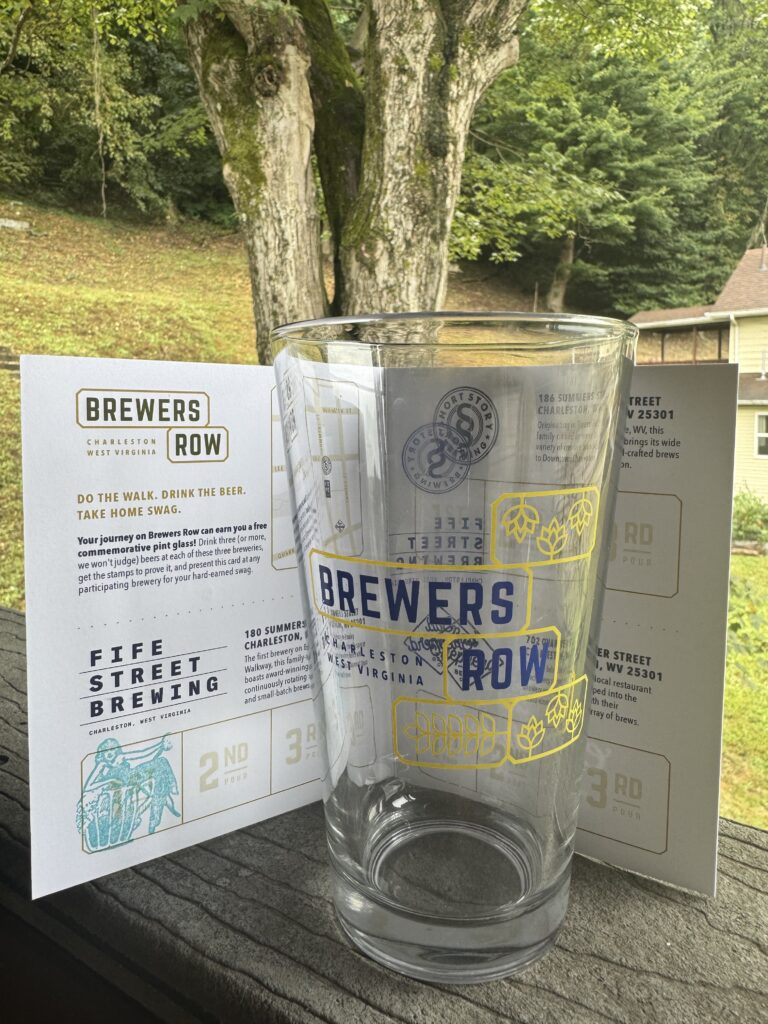
There’s something quietly reassuring about the way a well-poured pint of IPA lands on the table. The golden hues, the citrus aroma, the balance of bitterness against malt—beer has been with us for centuries, not just as a drink, but as a thread in the fabric of community. While discussions around alcohol often focus on its risks, research shows that in moderation, beer—especially craft ales like IPAs—can offer real benefits for both body and mind.
Moderation matters first. The Centers for Disease Control and Prevention (CDC) defines moderation as one drink per day for women and two drinks per day for men. Staying within these limits is key to enjoying the potential health benefits without the downsides.
IPAs, known for their higher hop content, contain polyphenols and flavonoids—plant-based compounds that act as antioxidants. These compounds help support cardiovascular health by enhancing endothelial function, the process by which blood vessels dilate and constrict, and by reducing oxidative stress, a key factor in heart disease. A 2020 review in Nutrients highlighted that polyphenols in beer are associated with improved cholesterol profiles and a lower risk of coronary events when consumed moderately.
The benefits extend beyond the heart. Hops—the defining ingredient in IPAs—contain xanthohumol, a flavonoid studied for its anti-inflammatory and neuroprotective effects. While much of the research remains pre-clinical, there is growing evidence that regular, low-level consumption may support cognitive resilience. In simple terms: the same pint that refreshes after a long week might also give your brain a gentle helping hand.
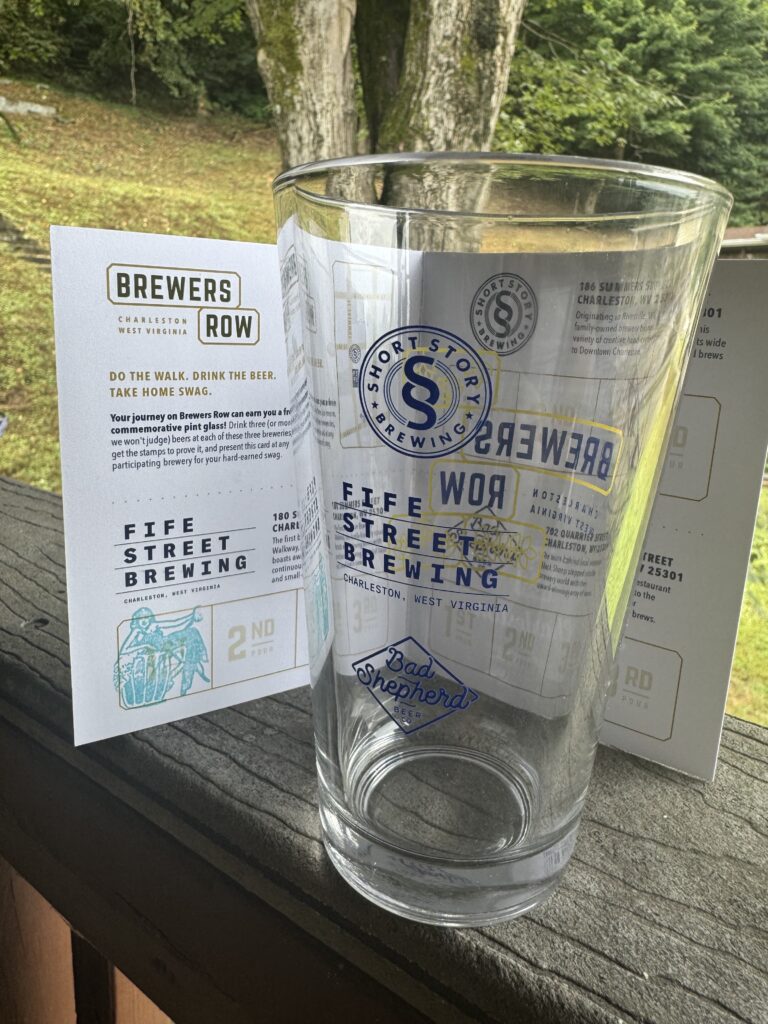
Then there’s the social and mental health aspect. Enjoying a beer in the right environment can be a powerful tool for connection. Charleston, West Virginia, offers a perfect example with its vibrant brewery row. A short stroll down Summers Street takes you past Bad Shepherd Beer Company, Short Story Brewing, and Fife Street Brewing. Each brewery has its own character—Bad Shepherd with creative, full-bodied ales, Short Story with playful experimentation, Fife Street with its welcoming community vibe—but they all excel in the art of “brewery husbandry,” caring for both their craft and their visitors’ experience.
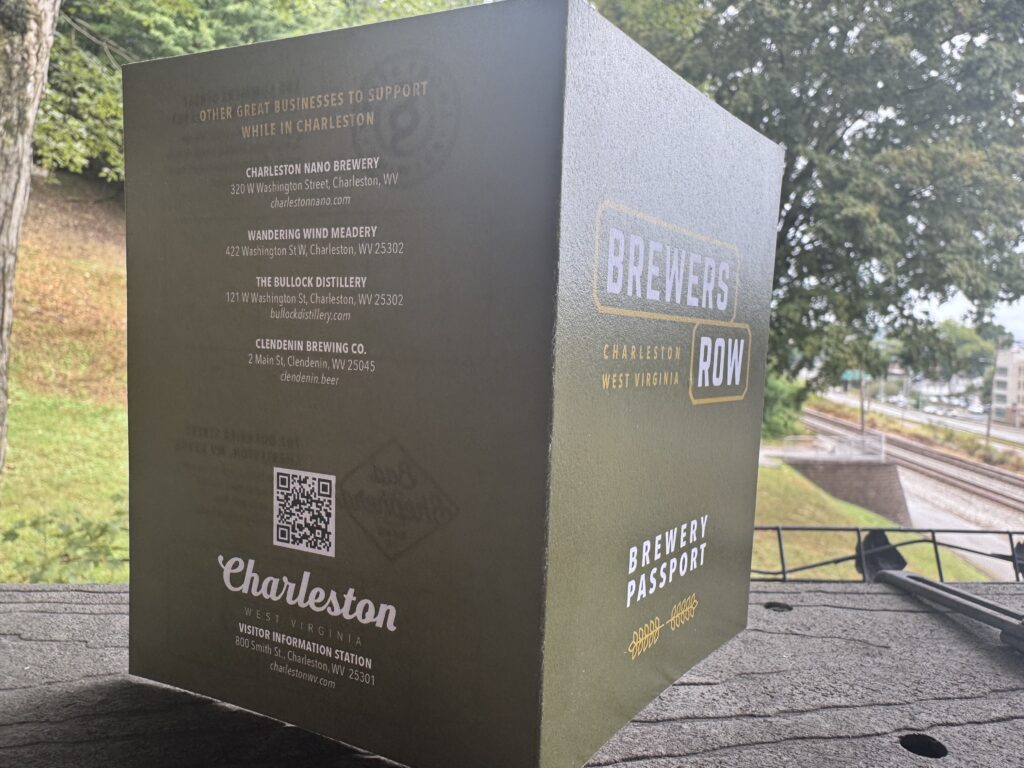
Charleston even offers a Brewery Passport for these three stops. The idea is simple: collect stamps as you visit each brewery, and when the passport is complete, you’re rewarded. But the purpose goes deeper than souvenirs. It’s about pacing, about encouraging people to spread visits across time, to experience each space mindfully, and to weave social connection into the journey. In a health sense, it supports moderation—fostering exploration, community engagement, and enjoyment of local craft beer without excess.
On any Friday night, these breweries are alive with conversation, laughter, and connection. Strangers strike up conversations over tasting flights, friends share stories, and the collective hum of the crowd reminds us that mental health is shaped not just by what happens inside our heads, but also by where we place ourselves. Social interaction, research shows, is one of the strongest predictors of long-term well-being and even longevity.
It’s easy to overlook, in a world dominated by warnings about excess, that moderate beer consumption can be beneficial. Antioxidants support the body, hops may promote cognitive resilience, and sharing a pint in a welcoming environment like Charleston’s brewery row nurtures emotional and social well-being.
The secret of the IPA, then, may be balance—not just in flavor, but in life. Its sharp bite softened by citrus or pine serves as a reminder that health is about connection, care, and knowing when enough is enough.
Love Life & Discover Yourself x
References
- Centers for Disease Control and Prevention (CDC). (2022). Alcohol and Public Health: Moderate Drinking. https://www.cdc.gov/alcohol/fact-sheets/moderate-drinking.htm
- Chiva-Blanch, G., & Badimon, L. (2014). Effects of Polyphenol Intake on Metabolic Syndrome: Current Evidence from Human Trials. Oxidative Medicine and Cellular Longevity, 2014, 1–12. https://doi.org/10.1155/2014/579410
- de Gaetano, G., Costanzo, S., Di Castelnuovo, A., et al. (2016). Effects of moderate beer consumption on health and disease: A consensus document. Nutrition, Metabolism & Cardiovascular Diseases, 26(6), 443–467. https://doi.org/10.1016/j.numecd.2016.03.007
- Negrão, R., Costa, R., Duarte, D., et al. (2013). Xanthohumol and Isoxanthohumol Administration Improve Cerebrovascular Function in Rats. Journal of Cerebral Blood Flow & Metabolism, 33(3), 403–412. https://doi.org/10.1038/jcbfm.2012.195
- Chiva-Blanch, G., Magraner, E., Condines, X., et al. (2020). Polyphenol-Rich Beer Increases HDL-Cholesterol and Improves Endothelial Function in Healthy Volunteers: A Randomized Intervention Trial. Nutrients, 12(11), 3410. https://doi.org/10.3390/nu12113410
- Holt-Lunstad, J., Smith, T. B., & Layton, J. B. (2010). Social Relationships and Mortality Risk: A Meta-analytic Review. PLoS Medicine, 7(7), e1000316. https://doi.org/10.1371/journal.pmed.1000316
Alcohol Guidelines: UK vs US
| Country | Weekly / Daily Limit | Pattern | Notes |
|---|---|---|---|
| UK (NHS) | Max 14 units per week (men & women) | Spread over 3+ days | 1 pint (568 ml) of 5% beer ≈ 2.8 units |
| US (CDC) | Up to 1 drink per day for women, 2 for men | Daily average | 1 US standard drink = 14 g alcohol (≈ 12 oz 5% beer / 355 ml) |