

Forget the medicine cabinet—your pantry might just be the most underrated wellness hub in your home. While we’re used to reaching for painkillers when our bodies protest, nature has been quietly providing us with her own arsenal of healing foods all along. From soothing spices to antioxidant-rich fruits, these natural pain fighters not only taste amazing but also help your body feel its best. Ready to eat your way to relief? Let’s take a flavourful journey through nature’s pharmacy.
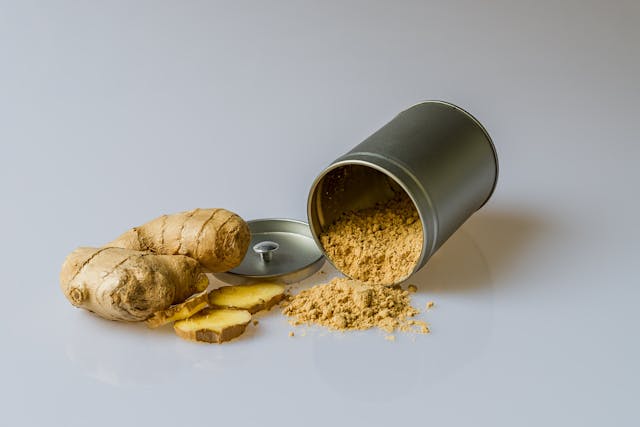
First up, the fiery hero of natural healing—ginger. You’ve probably turned to ginger tea for an upset stomach, but this zesty root is a whole-body healer. Ginger is loaded with compounds called gingerols, which have powerful anti-inflammatory and pain-relieving effects. Whether it’s post-workout soreness, menstrual cramps, or achy joints, ginger helps calm inflammation and ease discomfort. A warm ginger tea, a tangy salad dressing, or even a ginger-spiced smoothie can make a difference. But keep in mind, ginger can thin the blood slightly, so if you’re on medications like warfarin or aspirin, it’s best to enjoy it moderately.
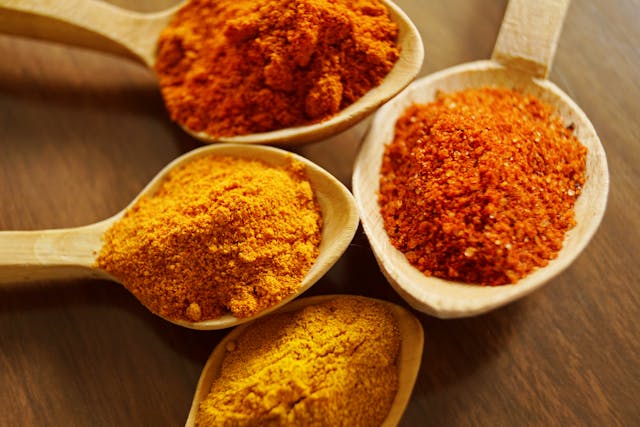
Now for the golden glow-up of the wellness world—turmeric. This vibrant spice doesn’t just make your curry irresistible; it’s nature’s anti-inflammatory superstar. The magic comes from curcumin, a compound known to reduce swelling and pain by blocking inflammatory pathways. Think of it as your body’s natural “reset” button. Add a pinch to soups, lattes, or roasted veggies, but don’t forget the black pepper—its piperine boosts curcumin absorption. Turmeric may interact with medications for diabetes or high blood pressure, so it’s worth checking with your healthcare provider if you’re on those.
If you’re looking for a sweet way to soothe sore muscles, meet tart cherries—the little red gems bursting with antioxidants and anti-inflammatory compounds called anthocyanins. Research shows that tart cherry juice can help reduce muscle soreness after workouts, ease joint pain, and even improve sleep quality. Plus, it’s a deliciously refreshing post-exercise drink. However, if you’re taking medications for gout or on certain diuretics, large amounts of cherry juice can alter how your body processes them, so moderation is key.
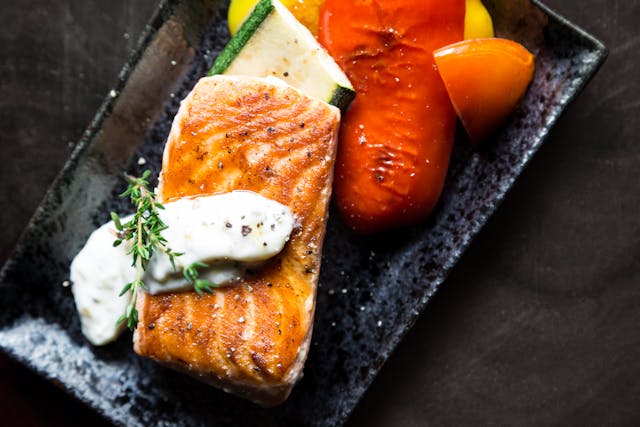
Next up, the calm warriors of your plate—omega-3-rich foods like salmon, sardines, chia seeds, flaxseeds, and walnuts. These healthy fats are the ultimate inflammation fighters, helping to ease arthritis pain, soothe period cramps, and even reduce migraine frequency. Omega-3s also support heart health and boost brain function, making them a total win for your wellbeing. Try adding a spoonful of flaxseed to your morning yogurt or enjoying a salmon salad for lunch. Just keep in mind, high doses—especially through supplements—can enhance the effects of blood thinners, so always balance them carefully.
Now let’s talk about the bold and beautiful garlic—a tiny clove with big benefits. Garlic contains sulfur compounds, particularly allicin, which help reduce inflammation, support circulation, and may even provide some natural pain relief for arthritis. It’s a powerful immune booster too, helping your body stay strong through those colder months. A crushed clove added to olive oil or soups adds both flavor and healing potential. But garlic can amplify the effects of blood-thinning medications or certain antivirals, so again, moderation is your friend.
And yes, even your morning coffee deserves a spot on this list! Caffeine can help relieve headaches and boost the effectiveness of pain relievers by narrowing blood vessels and blocking pain signals. That’s why many migraine medications include caffeine. A cup or two of coffee a day can genuinely help keep headaches at bay—just be careful not to overdo it, as too much caffeine can lead to rebound headaches or interfere with certain medications.

Now, before you start sprinkling turmeric into everything and blending up cherry smoothies, here’s an important wellness reminder: any major change in your diet—especially if you’re taking prescription medications—should be discussed with your general practitioner first. Natural doesn’t always mean risk-free, and your GP can help tailor your diet to fit your unique health needs safely.
Nature’s pantry is full of powerful foods that nourish and heal. The beauty of it all? You’re not just easing pain—you’re supporting your overall wellbeing. So the next time you’re reaching for relief, try reaching for your spice rack instead. A little ginger, a dash of turmeric, and maybe a cherry or two could be the most delicious way to help your body feel its best.
Love Life x
References:
- Black, C.D., et al. “Effects of ginger on muscle pain following exercise-induced injury.” The Journal of Pain, 2010.
- Daily, J.W., et al. “Efficacy of curcumin in pain and inflammation: A meta-analysis.” Journal of Medicinal Food, 2016.
- Kelley, D.S., et al. “Effects of tart cherry juice on markers of inflammation and oxidative stress.” Journal of Nutrition, 2013.
- Calder, P.C. “Omega-3 fatty acids and inflammatory processes.” Nutrients, 2010.
- Rahman, K. “Effects of garlic on cardiovascular disorders.” Nutrition Journal, 2007.
- Juliano, L.M., et al. “Caffeine as an analgesic adjuvant: A review.” Journal of Pain, 2014.