
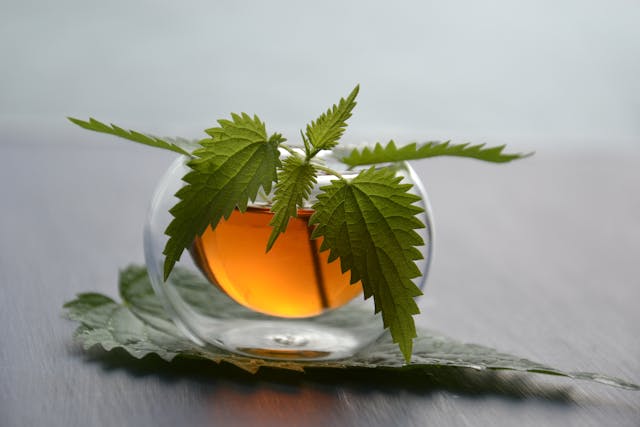
Exploring Nature’s Medicine: Plants and Fungi
Discover the hidden world of fungi:
Up next, read Part 2: Fungi – Nature’s Hidden Medicine Cabinet to explore reishi, lion’s mane, chaga, and cordyceps and their incredible health benefits.
Nature has long provided humanity with powerful remedies, from the colourful fields of medicinal plants to the hidden world of healing fungi. While plants like turmeric, lavender, and cannabis have shaped our daily wellness practices, fungi such as reishi, lion’s mane, and chaga offer unique bioactive compounds that support immunity, cognition, and overall vitality. Together, they form a holistic toolkit that modern science is only beginning to fully understand. In this series, we explore the evidence-based benefits, mechanisms, and safe usage of these remarkable natural therapies, revealing how the natural world continues to shape human health.
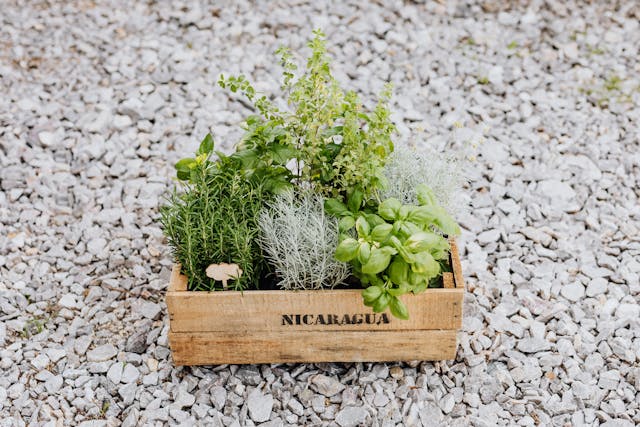
Humanity has been endowed with a diverse array of plants that have shaped our health practices for centuries. From the turmeric fields of India to the lavender fields of Provence, these plants offer not only culinary delights but potent medicinal benefits. In modern times, scientific research increasingly validates what traditional medicine has long known: plants can provide powerful therapeutic effects, supporting everything from immunity to mental well-being.
Turmeric (Curcuma longa) is perhaps one of the most celebrated medicinal plants. Its active compound, curcumin, has strong anti-inflammatory and antioxidant properties. Research shows that curcumin can inhibit pro-inflammatory enzymes and cytokines, making it effective for conditions such as arthritis, inflammatory bowel disease, and even certain metabolic disorders. Regular dietary inclusion or standardized supplements can confer benefits, though bioavailability is a key consideration, often enhanced when combined with black pepper (piperine).
Lavender (Lavandula angustifolia) is another plant with wide-ranging applications. Commonly used in aromatherapy, lavender’s active compounds, linalool and linalyl acetate, have been found to reduce anxiety, improve sleep quality, and even alleviate mild pain. Its calming effects are believed to arise from interactions with neurotransmitter systems in the brain, particularly GABAergic pathways that regulate stress and relaxation.
Echinacea (Echinacea purpurea), long popular as an immune booster, has compounds such as polysaccharides and alkamides that enhance white blood cell activity. Evidence suggests that echinacea may reduce the duration and severity of common colds if taken at the onset of symptoms.
Cannabis (Cannabis sativa) has emerged as a remarkable plant with diverse medicinal potential. Cannabinoids, including THC and CBD, interact with the body’s endocannabinoid system, which regulates pain, mood, appetite, and immune responses. Evidence supports cannabis for chronic pain, anxiety, sleep disturbances, and nausea—though its legal status varies globally, and responsible use under medical guidance is crucial to avoid adverse effects or interactions with other medications.
Other plants such as peppermint (Mentha piperita), ginger (Zingiber officinale), and rosemary (Rosmarinus officinalis) offer specific benefits, from digestive support to cognitive enhancement. Peppermint oil, for instance, relaxes gastrointestinal muscles, easing irritable bowel syndrome symptoms, while rosemary contains antioxidants that may improve memory and circulation.
Despite their clear benefits, many of these plants remain underused in contemporary society. Pharmaceutical drugs often overshadow natural remedies due to marketing, standardization, and the convenience of ready-made medications. Additionally, variability in plant preparations—such as differing concentrations of active compounds—can make people hesitant about efficacy and safety.
To safely incorporate medicinal plants into daily life, sourcing from reputable, preferably organic suppliers is critical. Education on proper dosing, potential interactions, and preparation methods is equally important. Consulting healthcare professionals before beginning any supplement regimen ensures safe and effective use, especially when managing chronic health conditions.
In conclusion, medicinal plants continue to offer extraordinary benefits that have withstood the test of time. From turmeric’s anti-inflammatory power to cannabis’ multifaceted therapeutic potential, these natural remedies remind us that the solutions to many modern health challenges can often be found in the natural world—accessible, holistic, and supported by a growing body of scientific evidence.
Love Life x
References:
- Hewlings SJ, Kalman DS. Curcumin: A Review of Its Effects on Human Health. Foods. 2017;6(10):92.
- Koulivand PH, Khaleghi Ghadiri M, Gorji A. Lavender and the Nervous System. Evidence-Based Complementary and Alternative Medicine. 2013;2013:681304.
- Shah SA, Sander S, White CM, Rinaldi M, Coleman CI. Evaluation of echinacea for the prevention and treatment of the common cold: a meta-analysis. The Lancet Infectious Diseases. 2007;7(7):473-480.
- Hill KP. Medical Marijuana for Treatment of Chronic Pain and Other Medical and Psychiatric Problems: A Clinical Review. JAMA. 2015;313(24):2474-2483.
- McKay DL, Blumberg JB. A Review of the Bioactivity and Potential Health Benefits of Peppermint Tea. Phytotherapy Research. 2006;20(8):619-633.