
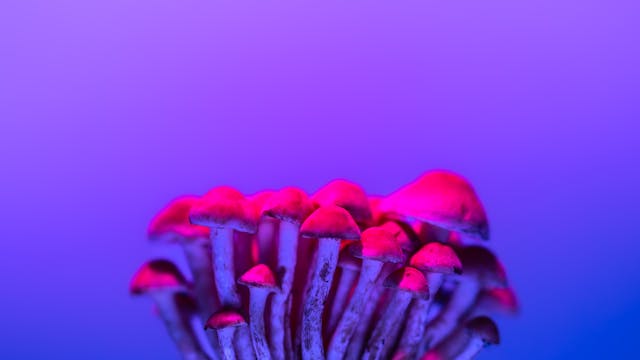
Psilocybin is the psychedelic compound found in certain mushrooms, often called “magic mushrooms.” While they’ve been part of traditional rituals for centuries, modern science is starting to uncover their potential benefits. Clinical studies suggest that, when used in a controlled setting with professional guidance, psilocybin can help with depression, anxiety, and even some addictions. People report deep changes in perception, heightened emotions, and feelings of connectedness or insight during these experiences. Researchers are especially interested in its potential to improve mental health when other treatments haven’t worked.
Is it legal?
The short answer: it depends. In most countries, psilocybin is illegal, meaning picking, possessing, or selling magic mushrooms could get you in trouble. But a few places have decriminalized or even legalized them for medical use. For example, some U.S. states and cities allow limited possession or supervised use, and certain countries have medical programs for psilocybin therapy. Laws change quickly, so it’s essential to check the rules in your area before thinking about trying them.
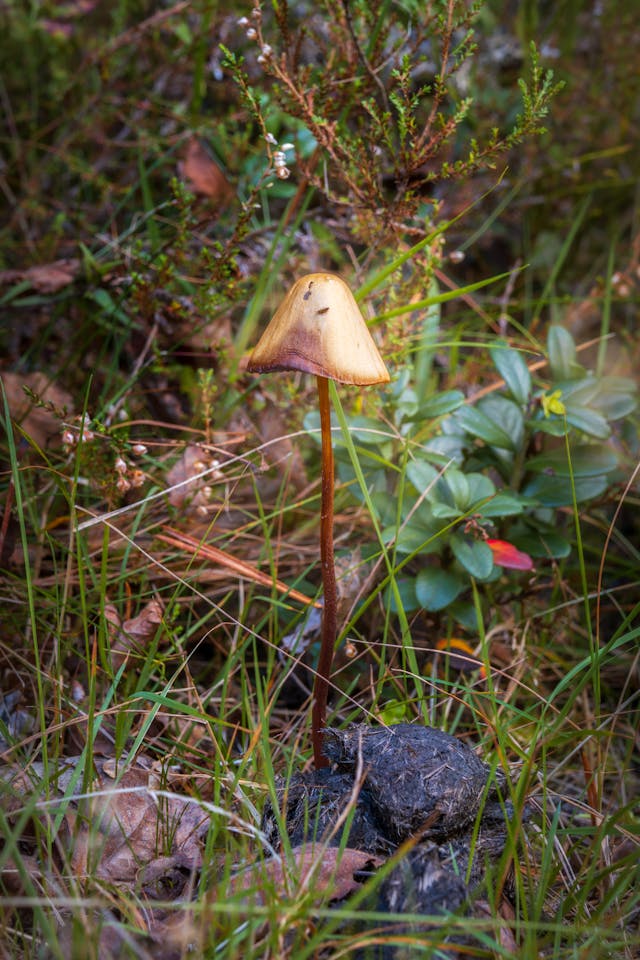
How psilocybin affects your mind and body
After taking psilocybin, effects usually start within 20–60 minutes, peak in 1–3 hours, and can last 4–8 hours. Mentally, it can change how you see, hear, and feel things, alter your sense of time, and sometimes create profound emotional or spiritual experiences. Physically, it may cause nausea, dizziness, headache, faster heart rate, or higher blood pressure. While many people have positive experiences, some have frightening “bad trips,” which can include fear, paranoia, or confusion. Rarely, it can trigger lasting psychological effects in people predisposed to certain mental health conditions.
Therapeutic potential vs. recreational use
Research shows that psilocybin works best in a controlled, supportive setting. Professional therapists prepare participants, supervise the session, and help process the experience afterward. Recreational use lacks these safeguards and comes with higher risks, including legal trouble, emotional distress, or accidental injury. Evidence supports using psilocybin cautiously under professional supervision rather than as a casual recreational drug.
Is it safe?
Physically, psilocybin is considered low in toxicity compared with alcohol or many drugs. But there are risks: it can raise blood pressure or heart rate, which could be dangerous for people with heart problems. Panic, extreme fear, or triggering of mental health conditions are also risks, particularly for those with a personal or family history of psychosis or bipolar disorder. Misidentifying wild mushrooms can be deadly, so foraging without expert guidance is strongly discouraged.
Why is mushroom identification tricky
Not all mushrooms are safe—some poisonous species look similar to magic mushrooms. Experts rely on spore prints, bruising reactions (strong indicator but not exhaustive), and other characteristics to tell them apart, but even these clues can be confusing for amateurs. Because mistakes can be fatal, never consume wild mushrooms unless an experienced mycologist has confirmed the species.
Harm-reduction tips if it’s legal where you are
If you are in a place where psilocybin is decriminalized or allowed in supervised use programs, safety measures help reduce risks:
- Avoid if you have a personal or family history of psychosis or bipolar disorder.
- Don’t mix with alcohol or other drugs.
- Start with a low dose in a calm, familiar setting.
- Have a sober, trusted sitter or trained guide present.
- Plan for integration—talk about the experience afterward with a professional or peer support.
Bottom line
Psilocybin shows real promise in clinical settings for improving mental health, but it’s not risk-free. Its legal status varies widely, and misidentifying mushrooms can be deadly. If you’re curious about its therapeutic potential, the safest route is through regulated programs or clinical trials rather than trying it on your own.
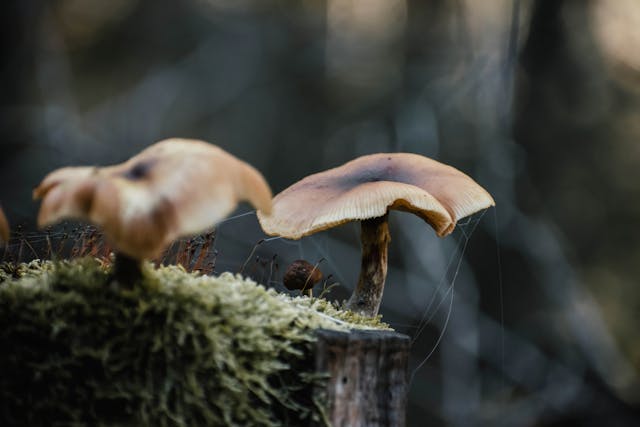
.Psilocybin in Hospice and End-of-Life Care
One of the most profound areas of psilocybin research is its potential role in hospice and palliative care. For many people facing terminal illness, physical pain is only part of the challenge; emotional and spiritual suffering—such as fear of death, anxiety, or loss of meaning—can be just as significant. Traditional treatments like antidepressants and anti-anxiety medications do not always provide relief in these circumstances.
Modern clinical studies, particularly at Johns Hopkins University and NYU, have shown that a single psilocybin-assisted session, given with professional support, can produce large reductions in depression and anxiety in patients with life-threatening cancer. Many participants describe feelings of peace, acceptance, and connection that ease existential distress and reduce fear of dying. Remarkably, these benefits can last for months, far longer than the acute psychedelic effects.
Researchers suggest that psilocybin helps not only through changes in brain activity but also through the deeply meaningful experiences it can produce—experiences of transcendence, unity, or spiritual insight. In the hospice setting, these shifts can improve quality of life and restore dignity at the end of life.
At present, psilocybin remains a controlled substance in most countries, so access is usually limited to clinical trials or highly regulated medical programs. Where available, it is not viewed as a replacement for conventional palliative treatments but as a potential complement, addressing the emotional and existential suffering that traditional medicine often struggles to reach.
Love Life & Discover Yourself x
References
- Meshkat S., et al. Impact of psilocybin on cognitive function: A systematic review. (2024). PubMed Central. PMC
- National Center for Complementary and Integrative Health (NCCIH). “Psilocybin for Mental Health and Addiction: What You Need to Know.” (overview of effects and risks). NCCIH
- WebMD. “Psilocybin — Uses, Side Effects, and More.” (side effects and precautions). WebMD
- Wikipedia. “Legal status of psilocybin mushrooms.” (overview and country-by-country changes; check local law for updates). Wikipedia
- Recovered.org (legal tracker). “Psilocybin Legal Status” (2025 update summarizing region-by-region changes). Recovered
- MushroomExam / field identification resources. “Magic Mushroom Lookalikes” (identification cautions and toxic species). Mushroom Exam
- Recent journalism and policy coverage noting rising use and regulatory change (examples): The Guardian (risks after rising use), Time (New Zealand medicinal approval), Financial Times (professional debate). The Guardian+2TIME+2
- Ross, S., et al. (2016). Rapid and sustained symptom reduction in anxiety and depression following psilocybin treatment in patients with life-threatening cancer: A randomized controlled trial. Journal of Psychopharmacology, 30(12), 1165–1180.
- Griffiths, R. R., et al. (2016). Psilocybin produces substantial and sustained decreases in depression and anxiety in patients with life-threatening cancer: A randomized double-blind trial. Journal of Psychopharmacology, 30(12), 1181–1197.