
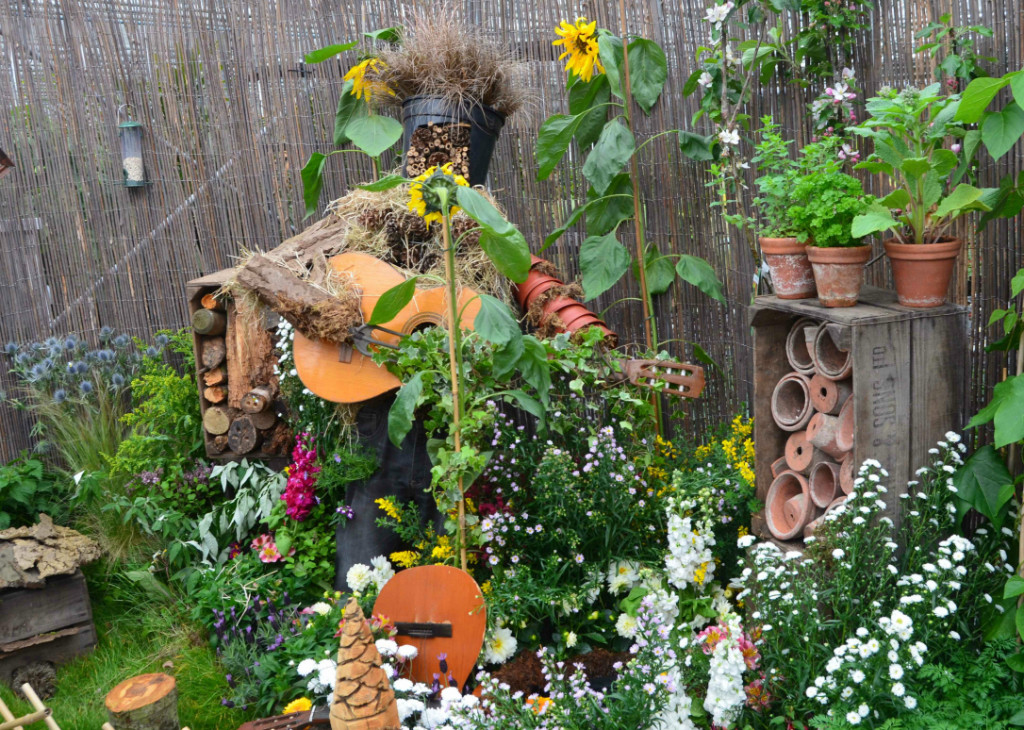
A garden becomes something far greater when it opens itself to the wild. Beyond colour and design, it transforms into a sanctuary, a living system that feeds, shelters, and sustains. In an age where natural habitats are shrinking, every garden — whether a small urban balcony or a sprawling countryside plot — can act as a bridge, reconnecting fragmented ecosystems and giving creatures a place to belong. For those wondering how to attract wildlife to your garden, the answer lies not in grand gestures but in small, mindful choices that allow nature to settle and thrive.
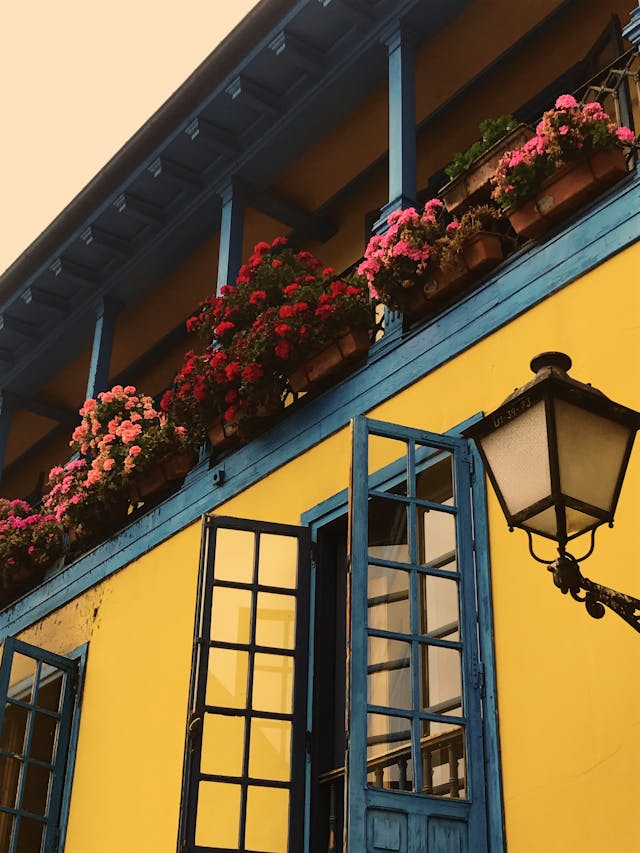
Native plants form the foundation of this approach. Research has shown that native flora provides essential nectar, pollen, and seed sources that local wildlife has co-evolved to depend on. The best plants for pollinators in the UK include wildflowers such as oxeye daisy, knapweed, and field scabious, all of which attract bees, butterflies, and hoverflies in abundance. Their flowering cycles align with the needs of pollinators throughout the year, ensuring nourishment from early spring through late autumn. Allowing a patch of the garden to self-seed or grow wild creates micro-habitats where nature can lead the way — an effortless start to creating habitats for wildlife that enrich both the garden and the wider ecosystem.
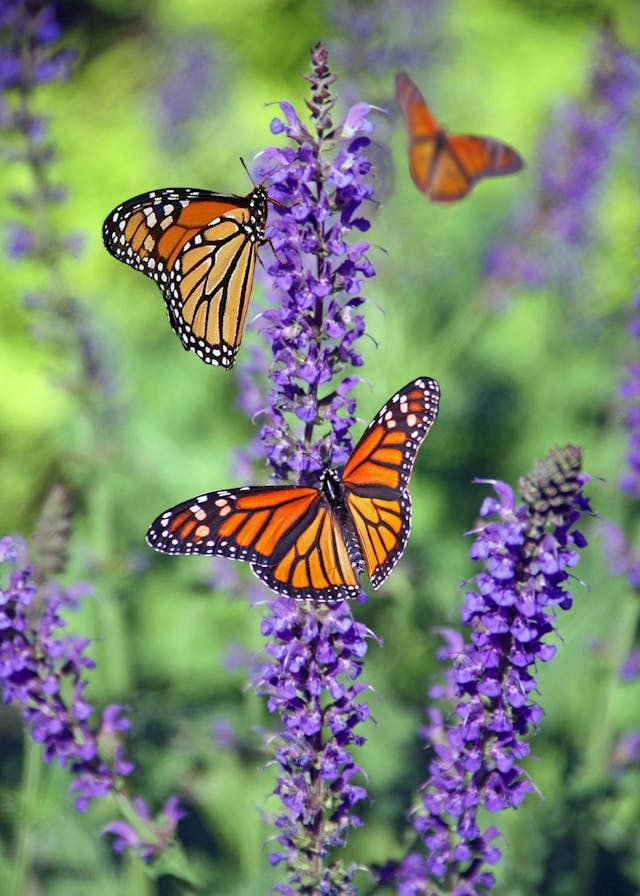
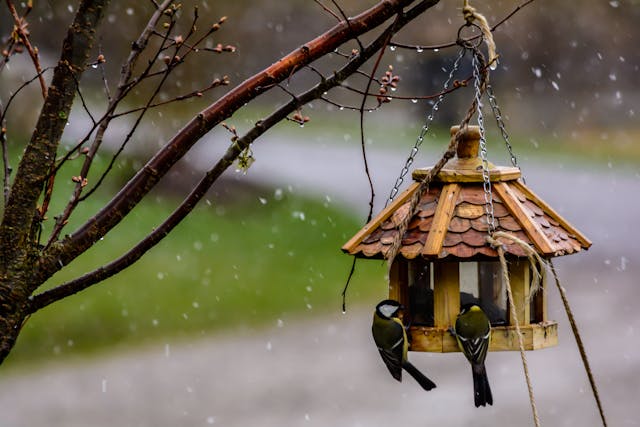
Birds, too, are vital visitors. A garden alive with birdsong is not only uplifting but ecologically essential, as many species act as seed dispersers and natural pest controllers. Providing food stations with a variety of seeds encourages species diversity, while bird boxes give them secure nesting sites in landscapes where old trees are scarce. Supplementary feeding has been shown to significantly increase survival rates during the harsher months, particularly for species like the blue tit and house sparrow. Clean water, through a shallow bath or a small pond, adds another dimension — a shared oasis where birds, bees, and butterflies can gather. A true garden for bees and butterflies begins with nectar-rich plants but blossoms fully when water and shelter are part of the design.
Yet it is often the smallest creatures that sustain the largest systems. Pollinators, decomposers, and predatory insects are the quiet engineers of soil health and plant resilience. Insect hotels — crafted from bamboo, hollow stems, or stacked wood — offer refuge for solitary bees and ladybirds, while log piles and leaf litter provide microhabitats for beetles, amphibians, and hedgehogs. Gardens that support biodiversity at home in these simple ways have been shown to harbour significantly more invertebrate species than lawns kept pristine and heavily managed. These overlooked spaces embody natural pest control gardens at their finest — letting predators and prey maintain balance without chemicals or interference.
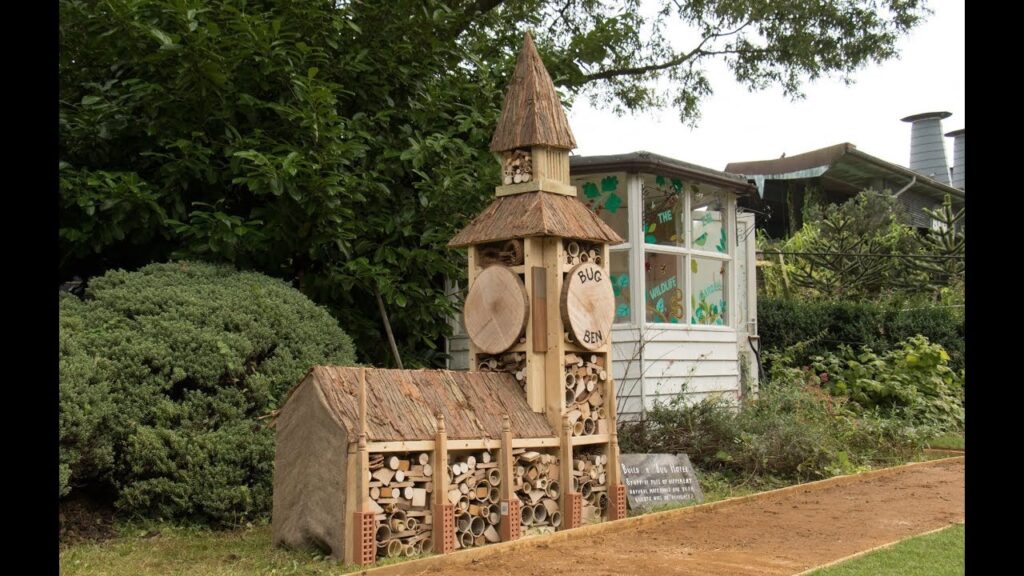
Connectivity is another key. Wildlife does not stop at fences, and the movement of animals between gardens builds resilience across landscapes. Hedgehog highways — small 13 cm gaps in boundaries — have been championed by conservation groups across the UK, allowing these nocturnal wanderers to roam safely. Shrubs, wildflower borders, and layered planting along garden edges create wildlife gardening ideas that are as beautiful as they are functional. In cities, these green threads are essential, turning even an urban wildlife garden into part of a larger ecological network.
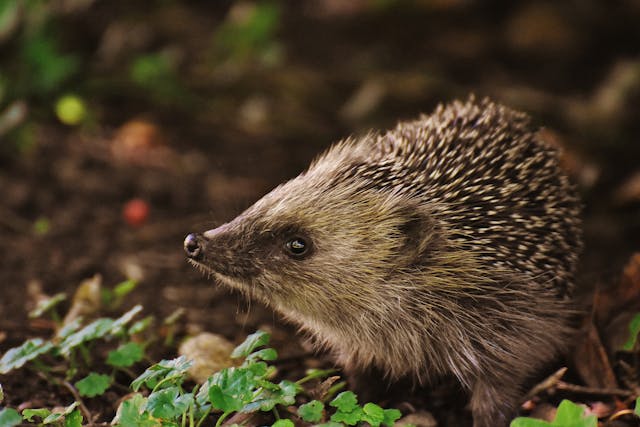
Equally important is restraint. The human instinct to tidy — to cut back, sweep up, and prune — often strips away vital habitat. Leaving seed heads standing through the winter offers food for birds such as goldfinches, while allowing grasses and shrubs to remain until spring protects overwintering insects. Leaf litter nourishes the soil as it decomposes and shelters countless small organisms. The practice of leaving it wild is not neglect but a recognition of cyclical beauty, where decay, dormancy, and renewal form part of the garden’s rhythm.
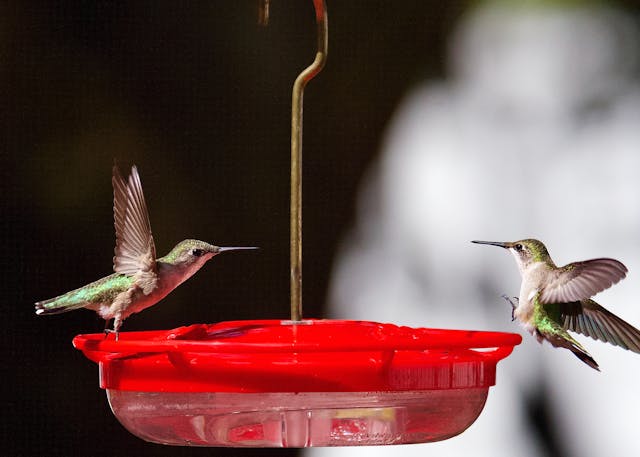
A wildlife-friendly garden is never static. It shifts with the seasons, responds to weather, and reflects the delicate balance between cultivation and surrender. It is both practical and poetic: a place where ecological science meets personal reflection. To garden in this way is to move from being a designer of landscapes to a steward of life, guided less by control and more by relationship.
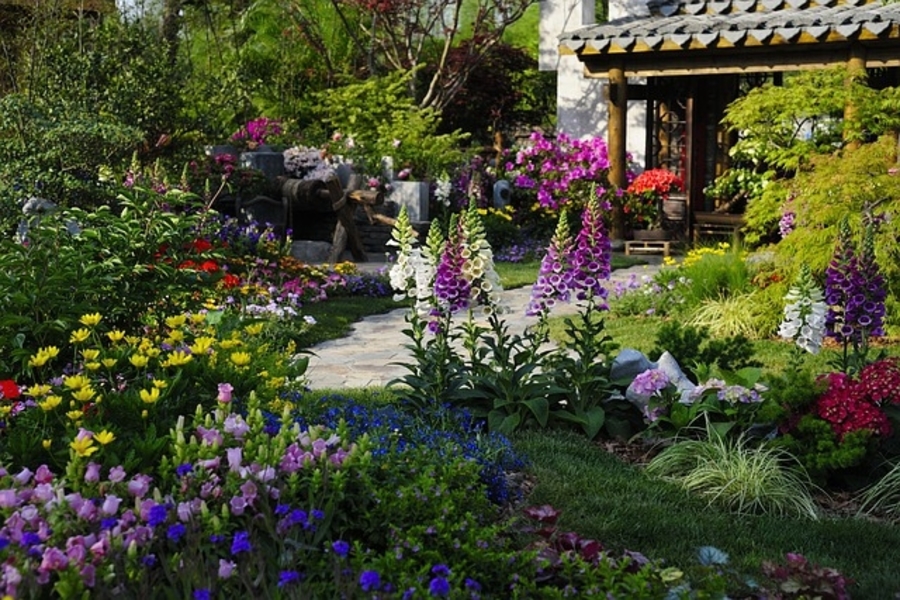
In cultivating such spaces, we participate in something larger — a mosaic of gardens across cities, towns, and countryside that together form living networks for wildlife. Each flower planted, each feeder hung, each wild corner left untouched becomes a gesture of connection, a small act of repair in a wider ecological story. And as the creatures return — bees tracing paths between blossoms, birds singing from hidden perches, hedgehogs rustling in the dusk — the garden itself becomes a mirror, showing us that we, too, are part of the wild.
Love Life & discover Yourself x
References
- Baldock, K.C.R., et al. (2015). Where is the UK’s pollinator biodiversity? The importance of urban areas for flower-visiting insects. Proceedings of the Royal Society B: Biological Sciences, 282(1803).
- Gaston, K.J., et al. (2005). Urban domestic gardens (IV): the extent of the resource and its associated features. Biodiversity and Conservation, 14, 3327–3349.
- People’s Trust for Endangered Species (2021). Hedgehog Highways Campaign. Retrieved from: https://ptes.org
- Royal Society for the Protection of Birds (RSPB) (2020). Feeding garden birds. Retrieved from: https://www.rspb.org.uk