

Learning how to quit smoking isn’t just about giving something up—it’s about gaining freedom. Freedom to breathe easier, enjoy more energy, save money, and live without being tied to a pack of cigarettes. The hardest part is often the cravings and withdrawals, but once you understand how they work, you’ll realise they’re temporary. With the right tools, you can stop smoking naturally and build healthier habits that last.
Cravings & Withdrawals
When you smoke, nicotine changes the way your brain works. It boosts dopamine, the chemical linked to pleasure and reward. When you quit, the brain temporarily struggles without it, sending signals that something is missing—these are cravings.
The good news: cravings come in waves. Each one usually lasts just five to ten minutes at its peak before fading. The first week after quitting is typically the toughest, but by the end of the first month, cravings are shorter and less frequent. By three months, many people only experience the occasional urge.
Withdrawal symptoms can include irritability, restlessness, fatigue, and trouble sleeping. These are simply signs your body is healing: circulation is improving, oxygen levels are rising, and carbon monoxide is clearing from your system. Most withdrawal symptoms peak in the first week, then gradually ease.

What Helps
The best way to stop smoking is to have strategies ready when cravings hit. Evidence shows these simple tools work:
Move your body
Exercise is one of the most effective ways to reduce cravings. Even a brisk ten-minute walk can cut the urge to smoke. Physical activity naturally boosts dopamine, relieves stress, and helps regulate mood.
Breathe deeply
Deep breathing is a proven way to manage cravings. Inhale for four counts, hold for four, and exhale for six. This calms your nervous system and gives you something to do instead of smoking.
Stay hydrated
Drinking water helps flush nicotine out of your body and keeps your hands and mouth busy. It’s a simple but powerful tool when the urge to smoke strikes.
Break the routine
Cravings are often linked to triggers like finishing a meal, drinking coffee, or feeling stressed. Change the pattern—take a short walk, chew gum, or pick up a new habit that breaks the association.
CBD for nicotine withdrawal
CBD (cannabidiol) is a natural compound found in cannabis plants, but unlike THC, it won’t get you high. It interacts with the body’s endocannabinoid system, which helps regulate stress, mood, and sleep—all areas that can be disrupted when you stop smoking.
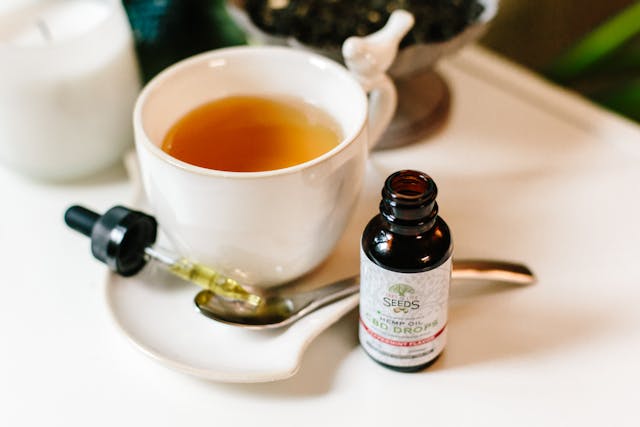
Research suggests CBD may support people trying to quit smoking:
- Cravings: In studies, smokers who used CBD inhalers smoked fewer cigarettes compared to those given a placebo.
- Stress & anxiety: CBD may reduce anxiety by interacting with serotonin receptors, making stressful moments easier to handle without a cigarette.
- Withdrawal symptoms: Early findings show CBD may help with irritability, low mood, and poor sleep—common withdrawal complaints.
- Triggers: CBD may reduce attentional bias toward smoking cues, meaning you’re less likely to focus on cigarettes when you see them.
CBD comes in different forms:
- Oils and tinctures for fast absorption under the tongue.
- Capsules or gummies for easy, consistent dosing.
- Vape pens for rapid relief and to mimic the hand-to-mouth action of smoking.
- Topicals for general relaxation, though less relevant for cravings.
Regulations on CBD vary globally, so always check local laws before buying. Wherever you are, choose products with third-party lab testing to ensure safety, quality, and accurate dosing.

Quitting smoking doesn’t just improve your health—it can also save a surprising amount of money. Even a pack-a-day habit adds up quickly. For example, if cigarettes cost $8 per pack and you smoke one pack daily, that’s $56 a week, $240 a month, or nearly $3,000 a year! Imagine redirecting that money toward travel, hobbies, fitness, or even just building a financial safety net. Every day without cigarettes is not only a step toward better health but also a step toward a fatter wallet and more financial freedom.
It’s important to note: CBD isn’t a cure-all. It won’t make cravings disappear entirely, but it can be a supportive part of a broader strategy that includes exercise, hydration, breathing techniques, and healthy routines.
It isn’t about perfection—it’s about persistence. Every craving you ride out makes you stronger. Every day you go smoke-free brings you closer to the freedom you want. Think of it like a journey: there may be tough stretches, but every step takes you closer to a healthier, more vibrant life. More energy, better health, and the confidence of being in control—that’s the real reward.
Shop for third-party tested CBD at Dr Ganja and use coupon code “Wild Bill” for a discounted price.
Love Life & Discover Yourself x
References
- Ussher, M., Taylor, A., & Faulkner, G. (2012). Exercise interventions for smoking cessation. Cochrane Database of Systematic Reviews.
- Hajek, P., McRobbie, H., & Gillison, F. (2015). Stopping smoking. BMJ Clinical Evidence.
- Hindocha, C., Freeman, T. P., et al. (2013). Cannabidiol reverses attentional bias to cigarette cues in a human experimental model of tobacco withdrawal. Addiction.
- Morgan, C. J., Das, R. K., et al. (2013). Cannabidiol reduces cigarette consumption in tobacco smokers: preliminary findings. Addictive Behaviors.
- National Institute for Health and Care Excellence (NICE). (2021). Stop smoking interventions and services.