

We often think of rest as sleep alone, yet the body and mind whisper to us in many languages. Rest is not a single destination but a landscape with valleys and rivers, each nourishing us in its own way. When we move through our days without pausing to drink from these wells, we find ourselves stretched thin, brittle, unable to meet the world with energy or clarity truly.
There is the rest of the body—the deep sigh of muscles released, the quiet gift of stillness that lets tissue repair and inflammation soften. Physical rest comes in two forms: passive, in the sanctuary of sleep, and active, through gentle movements like yoga or stretching that allow tension to leave the body. Sleep remains our most potent medicine: it strengthens immunity, regulates hormones, consolidates memory, and supports recovery from physical exertion. Yet even gentle movement is restorative, releasing tension, improving circulation, and lowering stress hormones. When this rest is absent, fatigue builds, reaction times slow, and the immune system falters, leaving us vulnerable. Rituals to support body rest might include a consistent sleep schedule, stretching at the beginning and end of the day, and allowing recovery time after strenuous activity.
There is the rest of the mind—mental quiet that clears the fog of constant input. In our digital age, attention is pulled in countless directions, and cognitive overload can feel like a relentless storm. Mental rest requires boundaries: time away from screens, mindful breathing, journaling, or allowing thoughts to settle. Research shows that even short breaks from technology improve attention, reduce stress, and enhance memory consolidation. Daily rituals might include stepping outside for two minutes of silence, scheduling screen-free periods, or keeping a notepad to offload mental clutter. When we allow ourselves these pauses, concentration sharpens, memory strengthens, and decision-making becomes lighter.
There is the rest of the heart—emotional rest that allows us to set down the weight of performance, of always appearing strong. Emotional exhaustion is as real as physical depletion, and studies show it shapes both mental health and bodily function. To rest here is to be authentic, to speak honestly, to let others witness us without armour. Emotional support from trusted individuals lowers cortisol, strengthens resilience, and helps regulate the nervous system. Rituals might include journaling, expressing gratitude, sharing openly with someone safe, or practising self-compassion. In that space, tension eases, emotions settle, and our capacity to engage with the world from a place of calm grows.
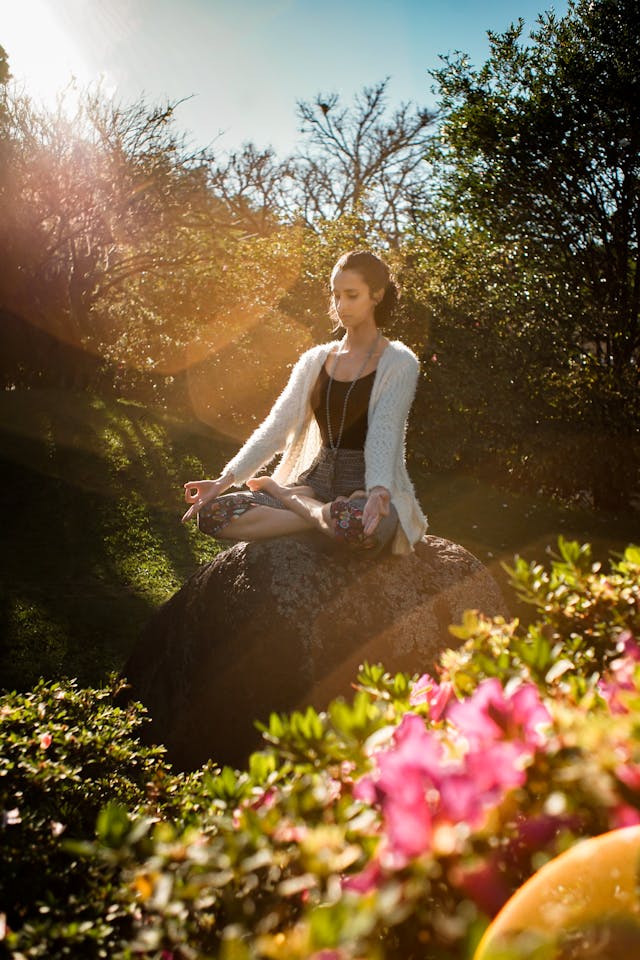
There is the rest of the spirit—purposeful stillness that reconnects us with meaning and perspective, reminding us that life is more than tasks or productivity. Spiritual rest is not limited to religion but includes any practice that fosters presence, reflection, or awe. It may be meditation, prayer, mindful walking in nature, or simply noticing beauty in ordinary moments. Studies show that experiences of awe and mindfulness reduce stress, improve mood, and lower inflammatory responses in the body. Rituals to nourish the spirit could include a brief meditation or breathing practice each day, reflecting on gratitude or moments of wonder, journaling about experiences that inspire meaning, or spending time outdoors without distraction. When neglected, spiritual rest leaves us feeling restless or disconnected; when honoured, it strengthens resilience, grounds perspective, and reminds us that life is not only about achievement but also about presence, meaning, and connection.
There is the rest of the senses—the refuge from light, sound, and constant stimulation. To dim the brightness, to step away from notifications, to close our eyes in silence is to give the nervous system the chance to reset. Sensory overload contributes to stress, poor sleep, and anxiety, while quiet, low-stimulation environments lower blood pressure and restore attention. Rituals might include dimming lights in the evening, taking short sensory breaks during the day, spending time in nature, or practising brief moments of silence. Sensory rest is the invisible foundation that allows all other forms of rest to work effectively.
There is the rest of creativity—a spaciousness where imagination can breathe. When we consume without pause, the well of ideas runs dry. The brain’s default mode network, active during rest and daydreaming, supports insight and innovative thinking. Resting creativity means creating both space and inspiration: engaging with art, music, or beauty, and giving ourselves permission to play or explore without pressure. Rituals could include keeping a sketchbook, walking without purpose, or setting aside unstructured time weekly. When we protect creative rest, insight returns, and imagination flows freely.
And there is the rest of the community—social rest that comes from being held rather than drained. Humans are wired for belonging, and loneliness is strongly linked to depression, poor sleep, and even higher mortality risk. Rest in this area comes from authentic connections with people who support and uplift us. It may also involve withdrawing from relationships that feel draining. Supportive social ties buffer stress and strengthen wellbeing. Rituals might include a weekly call with a loved one, sharing a meal with trusted friends, or joining communities where authenticity is valued. Social rest reminds us that connection itself is restorative.
To fully function each day, we need the whole circle of rest—body, mind, heart, spirit, senses, creativity, and community. Each type fills a gap the others cannot, and together they create balance, resilience, and vitality. Accessing this rest requires intention: setting boundaries, creating rituals, and recognising that rest is not indulgence but necessity. It is maintenance, the foundation of wellbeing, and the ground from which we live fully.
Love Life & Discover Yourself x
References
- National Institutes of Health. (2019). Sleep and immune function.
- American Psychological Association. (2018). Burnout and emotional exhaustion.
- MedlinePlus. (2021). Mental fatigue and cognitive overload.
- Van den Heuvel, M. P., & Hulshoff Pol, H. E. (2010). Exploring the brain’s default mode network: implications for creativity and mental health.
- Ulrich, R. S. (1984). View through a window may influence recovery from surgery. Science, 224(4647), 420–421.
- Cohen, S., & Wills, T. A. (1985). Stress, social support, and the buffering hypothesis. Psychological Bulletin, 98(2), 310–357.
- Holt-Lunstad, J., Smith, T. B., Baker, M., Harris, T., & Stephenson, D. (2015). Loneliness and social isolation as risk factors for mortality: A meta-analytic review. Perspectives on Psychological Science, 10(2), 227–237.
- Stellar, J. E., Gordon, A. M., Piff, P. K., et al. (2015). Self-transcendent emotions and their social functions: Compassion and awe bind us to others and motivate prosocial action. Current Directions in Psychological Science, 24(6), 470–476.