
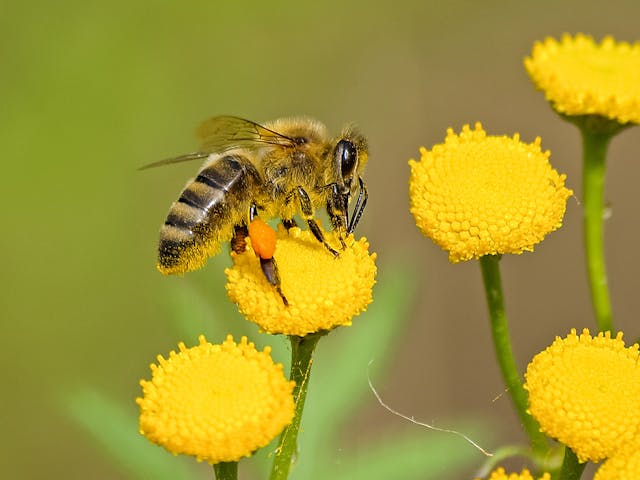
Late summer through autumn, particularly September and October, is widely regarded as the best window to sow wildflower seeds in the UK. This timing mirrors nature’s own cycle, as many wildflowers naturally shed and scatter their seeds in late summer. The soil is still warm from the summer months, rainfall increases to keep seeds moist, and weed competition decreases as many plants begin to die back. Together, these conditions create one of the most reliable environments for wildflower germination and establishment.
Autumn sowing offers several advantages. Freeze–thaw cycles over winter act as a natural stratification process, softening the hard coats of certain species and preparing them for spring germination. The remaining soil warmth allows for some root development before winter sets in, meaning plants are stronger when growth accelerates in spring. Autumn moisture also reduces the need for extra watering, and the absence of vigorous weed competition gives wildflowers the head start they need to establish.
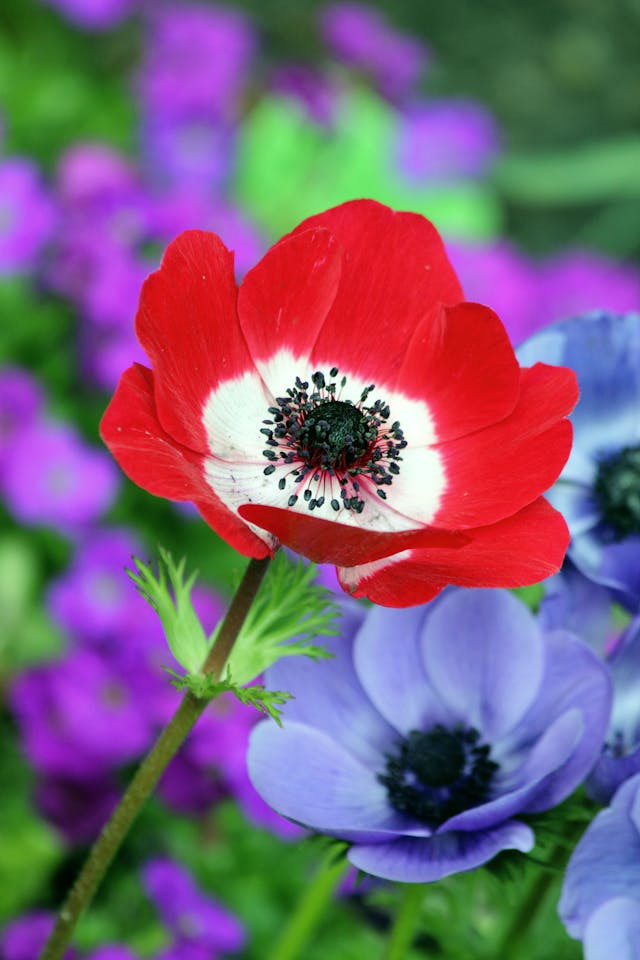
A wide range of species thrive when sown in autumn, especially annuals, biennials, and perennials with harder seed coats. Yellow Rattle (Rhinanthus minor) is particularly valuable as it is semi-parasitic on grasses, helping to suppress them and open up space for a broader range of wildflowers to flourish. Seed mixes designed with native, pollinator-friendly species are especially beneficial, and choosing a mix tailored to your soil type greatly increases success.
Soil is a critical factor. Wildflowers generally do best on low-fertility, well-drained soils where grasses and invasive weeds are less dominant. Poor soils tend to create the most diverse meadows, allowing delicate species to establish without being overshadowed. Heavy clay or waterlogged soils, however, can be problematic in autumn as seeds may rot in the damp. For these conditions, spring sowing is often more reliable. In all cases, preparing a clean seedbed by removing existing turf and weeds, lightly cultivating the surface, and raking to a fine tilth ensures good seed-to-soil contact and reduces competition.
The table below highlights some common UK-native wildflowers suited to autumn sowing, with their preferred soil conditions:
| Soil Type | Wildflowers to Sow in Sept/Oct |
|---|---|
| Light, sandy soils | Common Poppy (Papaver rhoeas), Cornflower (Centaurea cyanus), Field Scabious (Knautia arvensis) |
| Chalky soils | Wild Marjoram (Origanum vulgare), Small Scabious (Scabiosa columbaria), Kidney Vetch (Anthyllis vulneraria) |
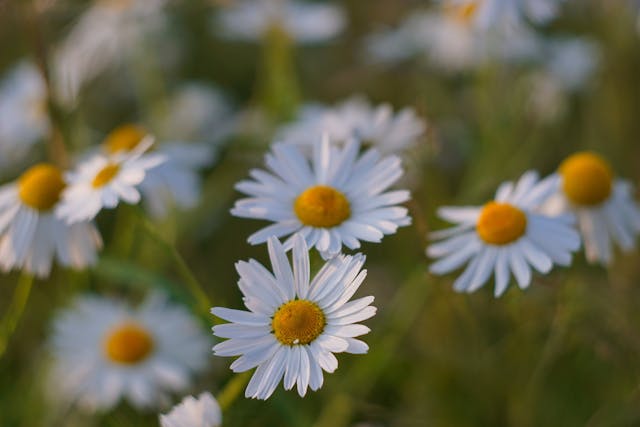
| Clay-loam / heavier soils | Oxeye Daisy (Leucanthemum vulgare), Red Campion (Silene dioica), Meadowsweet (Filipendula ulmaria) |
| Moist (not waterlogged) | Ragged Robin (Lychnis flos-cuculi), Meadowsweet (Filipendula ulmaria) |
| Dry or nutrient-poor | Birdsfoot Trefoil (Lotus corniculatus), Harebell (Campanula rotundifolia) |
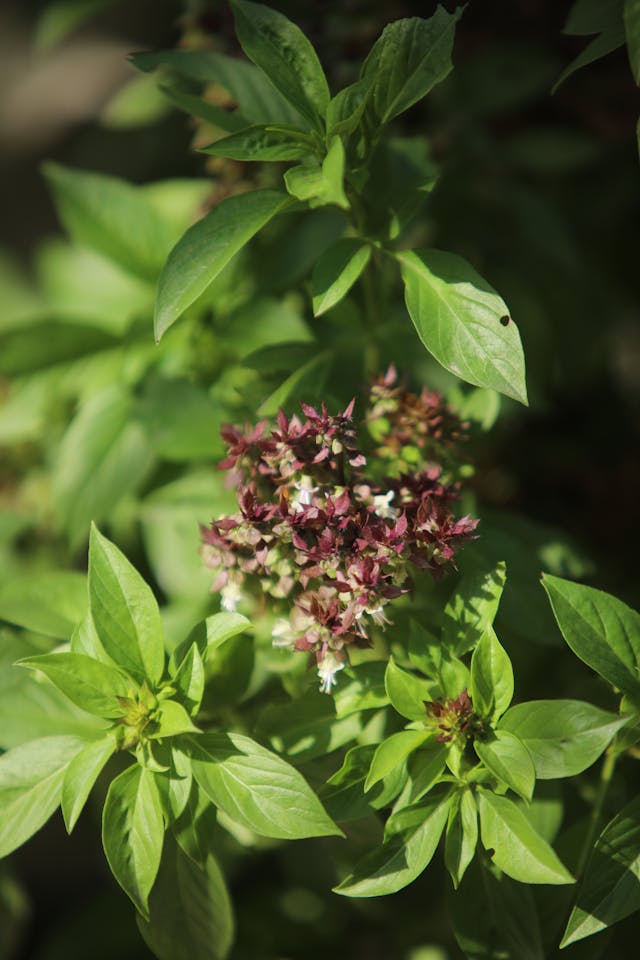
Once seeds are chosen, the process itself is simple but effective. After clearing the area of weeds and grasses, seeds should be mixed with sand or bran for even distribution and broadcast at around 4 grams per square metre. They should be raked in very lightly—burying them too deeply can prevent germination, as many wildflower seeds need light. A single watering after sowing is usually enough, as rainfall through autumn and winter maintains soil moisture. Growth above ground may be slow until spring, but the roots will be establishing quietly over winter, ensuring stronger plants once warmer weather returns.
Experienced gardeners in the UK often highlight the value of autumn sowing. Many note that wildflowers perform best on poorer soils where vigorous grasses do not smother them. Others observe that while not all seeds will germinate before spring, those that do establish are sturdier and more resilient, giving a more natural, balanced meadow overall.
For anyone looking to create a wildflower patch or meadow, September and October offer the best chance of success. By working with natural seasonal rhythms, choosing the right seed mix, and sowing into appropriate soil, it is possible to create a thriving, biodiverse space that supports pollinators and offers a colourful, sustainable display the following spring and summer.
Love Life & Discover Yourself x
References
- Phoenix Amenity Supplies. (2023). Autumn sowing of wildflower seeds: advantages and cautions.
- Habitat Landscapes. (2023). Wildflower sowing seasons and soil guidance.
- Forest of Flowers. (2022). Practical guide to sowing wildflower meadows.
- Kew Gardens – Grow Wild. (2023). How to sow wildflower seeds.
- Barenbrug UK. (2023). Wildflowers for landscaping: autumn sowing benefits.
- Sow Wild. (2023). Best practices for wildflower sowing and Yellow Rattle integration.
- Plantlife. (2022). Guide to UK native wildflowers and soil conditions.
- Royal Horticultural Society (RHS). (2023). Wildflower cultivation and soil preparation.