
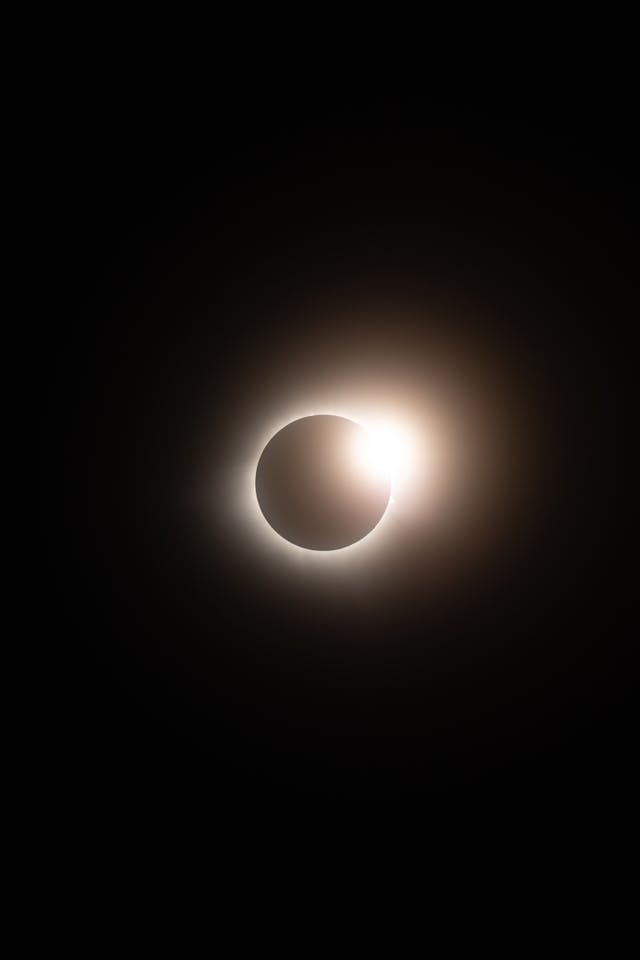
September 2025 brings a stunning array of celestial events—from dramatic eclipses to planetary alignments and meteor showers—perfect for astro-enthusiasts and wanderlust seekers alike. Whether you’re travelling or simply stargazing from home, here’s your go-to guide for the best times and places to catch them.
September’s Must-See Sky Events
Total Lunar Eclipse (“Blood Moon”) — 7–8 September
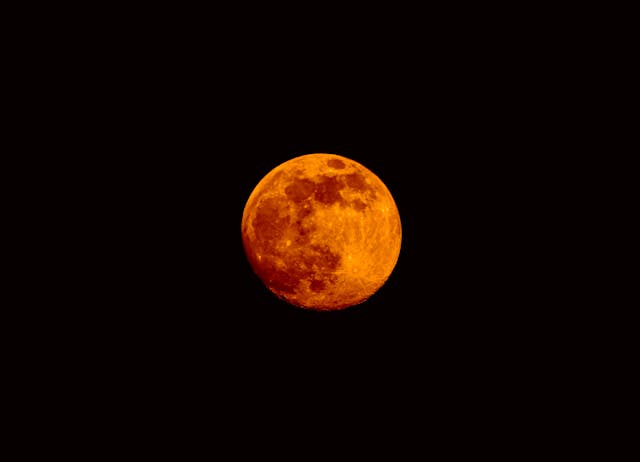
This is one of the most captivating events of the year. As the Full Moon—the “Corn Moon” or “Harvest Moon”—rises, it will turn a deep red for about 82 minutes of totality, making it the longest such eclipse in 2025. Visible across Europe, Africa, Asia, and Australia. For viewers in the UK, the best vantage points are elevated spots with clear eastern horizons; peak viewing occurs around 19:33 BST.
Saturn at Opposition & Rare Meteor Alignments
- 8–9 September: Saturn reaches opposition—brightest and visible all night. Ideal for telescope viewing, especially from dark-sky areas.
- 8 September: The Moon makes a close pass with Saturn and distant Neptune—both visible with binoculars (Neptune especially needs optical aid).
- 16 September: Early pre-dawn, a waning crescent Moon will pair with bright Jupiter—an easy target with or without binoculars.
Hidden Wonders & Occultations
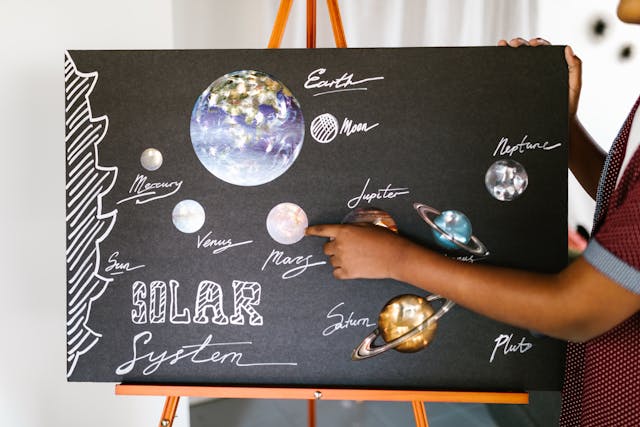
- 19 September: Look just before sunrise for a magical grouping—Moon, Venus, and the star Regulus form a tight triangle. In some regions, Venus will be occulted by the Moon.
- 21 September: The New Moon coincides with a partial solar eclipse. Best visibility is in Oceania and Antarctica, with up to 80% coverage in southern New Zealand.
Opposition of Neptune & Deep-Sky Viewing
- 23 September: Neptune reaches opposition, shining brightest for the year—perfect for telescope users.
- 24 & 27 September: Dark skies after the new moon offer prime viewing of deep-sky objects, such as the String of Pearls Galaxy (NGC 55) and the 47 Tucanae globular cluster.
Meteor Shower Trio
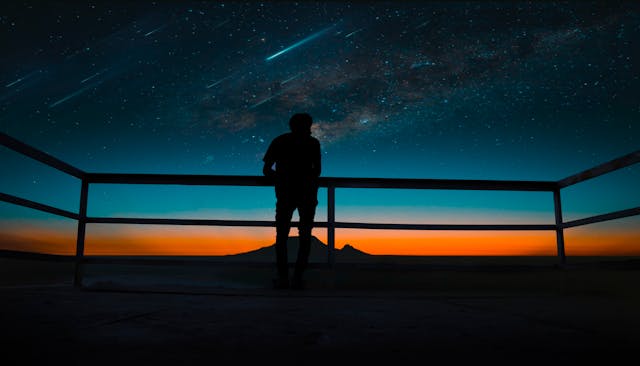
September features three minor meteor showers:
- Aurigids peaking around 1 September
- September Epsilon (ε) Perseids around 9 September
- Daytime Sextantids near 27 September (observed in daylight)
While they’re not major displays, they’re still rewarding—especially in dark, low-light-pollution skies.
Seasonal Marker—September Equinox
- 22 September: Autumn begins in the Northern Hemisphere (spring in the Southern Hemisphere), with day and night nearly equal. A fitting backdrop to the month’s astronomical extravaganza.
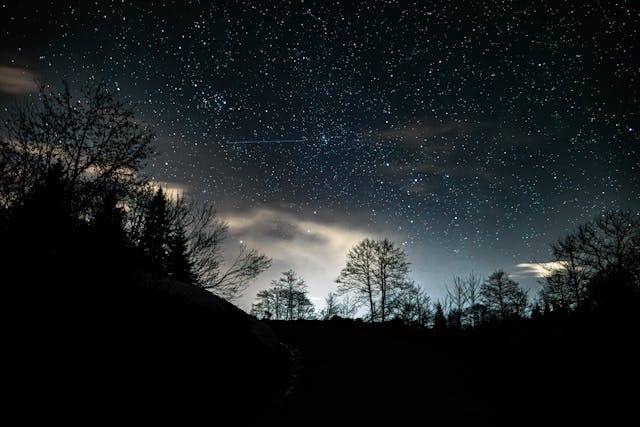
Stargazing Tips & Best Viewing Spots
- Find dark skies—light pollution-free, open areas with clear horizons.
- For the Blood Moon, elevated eastern vantage points offer the best perspectives.
- Telescopes or binoculars greatly enhance views of planetary alignments and Neptune.
- Use astronomy apps and star maps to track event timings and sky positions.
- Safety tip: Never look directly at the sun, even during eclipses—use proper solar filters or indirect viewing methods.
In Summary
September 2025 is a celestial feast: a dramatic Blood Moon, multiple lunar-planet conjunctions, the brilliance of Saturn and Neptune at opposition, a partial solar eclipse in remote southern regions, and subtle meteor showers. Ideal for both seasoned astronomers and casual skywatchers, these events invite travel, camping, or simply stepping outside with curiosity in tow.
Love Life and Discover Yourself x
References
- TimeandDate: September sky overview (eclipses, equinox)
- Times of India & Economic Times: Events rundown (eclipse, alignments, opposition)
- StarWalk & Astronomy.com: Event calendar and meteor showers
- Wikipedia: Partial solar eclipse details
- National Geographic: Deep-sky objects & viewing recommendations