
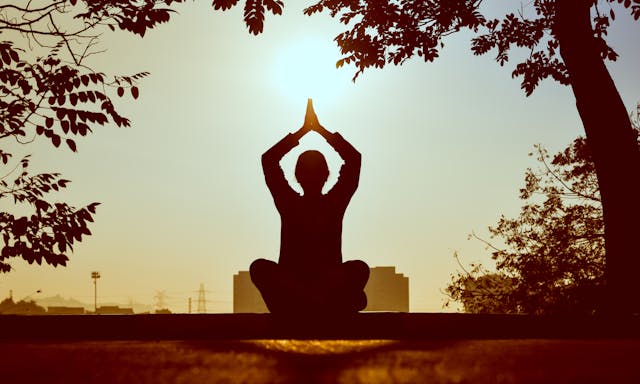
Human beings have always sought meaning, a sense of belonging, and a connection to something greater than themselves. Whether gazing up at the stars, performing rituals by firelight, or gathering in temples and churches, we have long looked for answers to life’s mysteries. Why are we here? What happens when we die? How should we live in a world that can be both beautiful and cruel? For millennia, religion has provided those answers through sacred stories, rituals, and community. In recent times, spirituality has emerged as a freer, more personal way of exploring these same questions, free from the confines of doctrine. Though they overlap in purpose, spirituality and religion often represent two different approaches to the same human longing for connection, truth, and peace.
Religion has deep roots in culture and history. Christianity, for instance, centers on the teachings of Jesus Christ, with the Bible as its sacred text and practices such as prayer, communion, and church attendance forming the core of its community life. Islam, one of the world’s fastest-growing religions, emphasizes surrender to God (Allah) through the Five Pillars: prayer, fasting, charity, pilgrimage, and faith, all guided by the Qur’an. Judaism, one of the oldest monotheistic traditions, is built upon the Torah and rich traditions of law, ritual, and ethical living. In the East, Hinduism and Buddhism offer more cyclical views of existence. Hinduism, with its pantheon of deities, sacred texts like the Bhagavad Gita, and concepts of karma and dharma, invites followers to see life as part of an eternal cycle. Buddhism, founded by Siddhartha Gautama, focuses on liberation from suffering through mindfulness, compassion, and the Eightfold Path. Each of these religions provides structure, identity, and shared meaning, carried across generations and embedded in cultures worldwide.
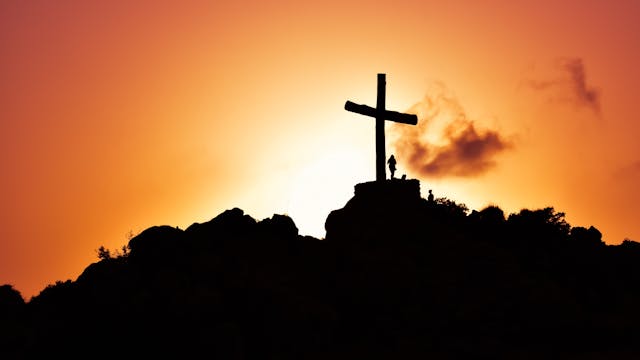
For many, this structure is life-giving. Rituals provide comfort in times of grief, communities offer belonging, and sacred texts guide ethical choices. A funeral mass in Catholicism, for instance, not only helps mourners grieve but also places their loss in the wider narrative of life after death. Ramadan in Islam strengthens discipline and solidarity. The Sabbath in Judaism builds family bonds and rest into the rhythm of life. These practices create a shared story, one that can carry people through joy and hardship alike. Yet, for others, religion can feel restrictive. Its rules may clash with personal experiences or modern values. Its hierarchies can leave some feeling excluded or silenced. And its insistence on “one right way” may not resonate with individuals who seek a more personal, evolving relationship with the sacred.
This is where spirituality comes into focus. Unlike religion, spirituality is less about external authority and more about internal exploration. It asks us to turn inward, to trust intuition, and to listen to the wisdom of the heart. Spirituality can be practiced anywhere: in meditation, in mindful breath, in a walk through nature, or in the act of showing kindness to another. It does not demand allegiance to a single text or leader; instead, it allows individuals to weave together practices and beliefs that feel authentic to them. This freedom is why spirituality has become such a powerful force in modern life—it meets people where they are and allows them to grow without fear of judgment or restriction.
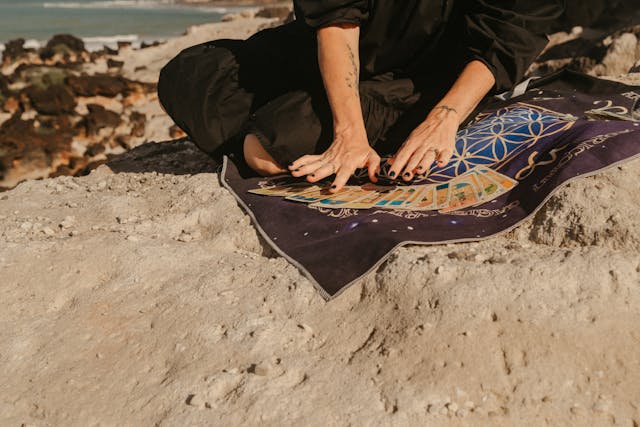
Real-world examples of spirituality in action are everywhere. Mindfulness, drawn from Buddhist traditions, is now a core part of Western psychology. Programs such as Mindfulness-Based Stress Reduction (MBSR), pioneered by Jon Kabat-Zinn, are used in hospitals and clinics to reduce stress, chronic pain, and depression. Yoga, with roots in Hindu and yogic philosophy, has become a global phenomenon—not just as exercise, but as a spiritual practice of breath, balance, and awareness. Eco-spirituality has grown in response to climate change, with groups holding tree-planting ceremonies, seasonal rituals, and meditations aimed at healing our relationship with the Earth. In indigenous cultures, spirituality is woven seamlessly into daily life—honoring ancestors, respecting the land, and seeing every element of nature as alive with spirit. Many of these practices are now inspiring global movements toward sustainability and collective well-being.
There are many branches of spirituality, each reflecting different ways of connecting with the sacred. Mystical spirituality seeks direct union with the divine, often described as transcendent experiences where the boundaries of self dissolve. This path can be found in Sufi whirling, Christian contemplative prayer, or Hindu meditation practices. Humanistic spirituality emphasizes inner growth, compassion, and aligning life with values such as kindness and justice, often without reference to the supernatural. Nature-based spirituality sees the earth itself as sacred—trees, rivers, mountains, and seasons are not just resources but spiritual teachers. This is found in indigenous traditions across the globe as well as in modern practices such as eco-spirituality and paganism. New Age spirituality blends elements from many traditions, including astrology, crystal healing, energy work, and mindfulness, creating a flexible path that adapts to personal needs.
Spirituality has also found expression in modern technology. Meditation apps such as Headspace and Calm bring mindfulness to millions of people worldwide. Online communities gather around practices like affirmations, astrology, or Reiki, offering connection beyond geography. Crystals and energy healing, once considered fringe, are now embraced by people looking for tactile and intuitive ways to feel balanced. These practices show that spirituality adapts to cultural needs, evolving with each generation.
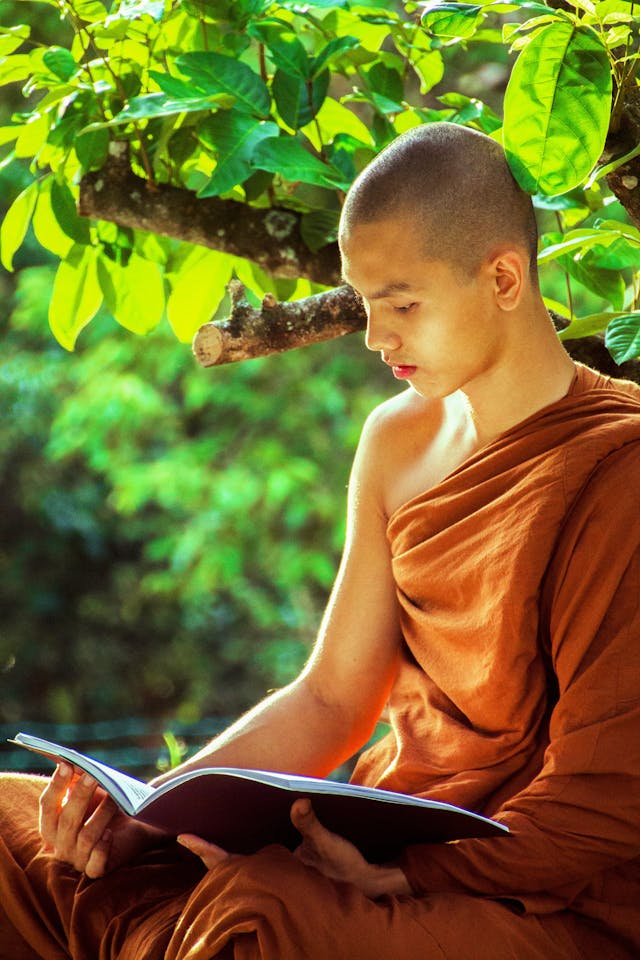
Interestingly, even within organized religion, there are deeply spiritual sub-paths. In Islam, Sufism emphasizes love, poetry, and mystical connection with God. In Judaism, Kabbalah delves into esoteric interpretations of the Torah, offering profound spiritual insights. In Christianity, contemplative traditions—such as those practiced by mystics like St. Teresa of Ávila or Thomas Merton—focus on silence, inner prayer, and direct communion with God. These strands remind us that spirituality and religion are not mutually exclusive; one can exist within the other.
Psychologically, spirituality has been shown to support well-being. Practices such as meditation and mindfulness reduce stress, improve mental clarity, and foster compassion. Studies show that people who identify as spiritual often report higher levels of life satisfaction, resilience, and connectedness. Religion also has proven psychological benefits, particularly in the strength of community, social support, and the stability provided by rituals. Yet spirituality’s flexibility may allow it to adapt more easily to individual needs, avoiding the guilt or rigidity that can sometimes accompany religious structures.
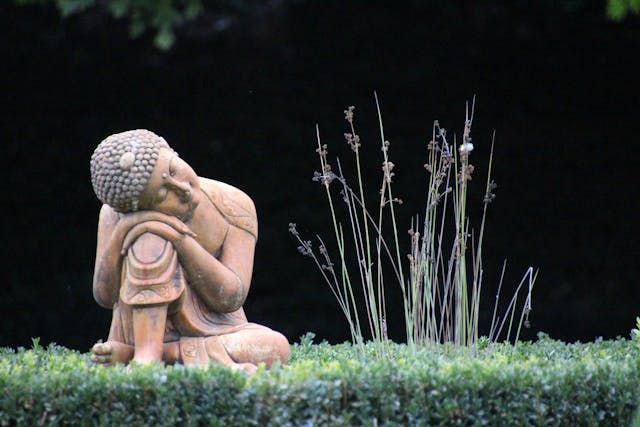
Culturally, we can see a shift. In many Western societies, religious affiliation is declining, particularly among younger generations, yet interest in spirituality is growing. Yoga studios, meditation retreats, and crystal shops are flourishing. Eco-activism often has spiritual undertones, with groups framing the climate crisis as not only a political issue but a spiritual one—a call to reconnect with the Earth. This reflects a broader movement: people are less concerned with belonging to a particular institution and more interested in cultivating practices that help them feel connected, balanced, and authentic. Spirituality’s rise does not necessarily signal the end of religion, but rather a transformation of how humans engage with meaning and transcendence in modern life.
At the same time, religion continues to hold immense importance for billions of people worldwide. Faith traditions build schools, hospitals, and charities. They create festivals, music, art, and architecture that enrich human culture. They provide moral frameworks that shape societies. To dismiss religion entirely would be to overlook its role in history, community, and identity. Yet to embrace spirituality is to recognize the evolving human desire for freedom, creativity, and direct experience of the sacred.
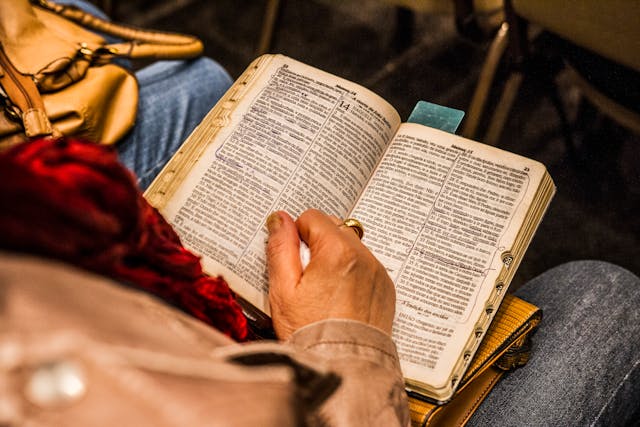
The tension between religion and spirituality often comes down to authority. Religion places authority outside the self—in sacred texts, leaders, or institutions. Spirituality places it within, encouraging people to trust their experiences, their questions, and their hearts. Neither path is inherently superior; both answer deep human needs. Some thrive within the structure of religion, finding peace in its order. Others thrive in the openness of spirituality, where meaning is discovered rather than prescribed. Many walk a middle way, blending both—attending religious services while also practicing meditation, exploring energy healing, or spending time in nature.
Ultimately, both spirituality and religion remind us that life is more than survival, work, or material possessions. They point us toward wonder, connection, and compassion. They invite us to look beyond ourselves and to live with greater depth. For some, this depth is found in a sacred text or community ritual. For others, it’s in silence, in art, or in the steady rhythm of breath. Both paths are valid, both are deeply human, and both reflect our endless search for purpose.
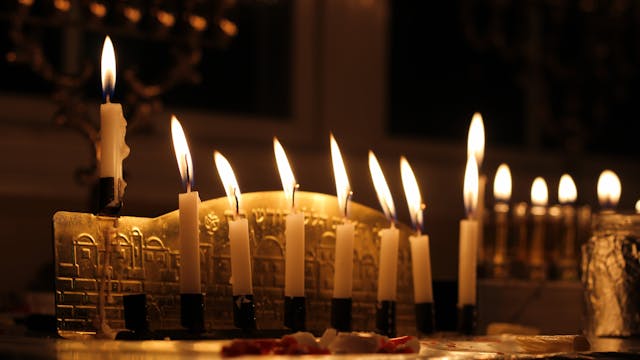
In the end, spirituality may speak more directly to the modern yearning for freedom, authenticity, and healing. It assures us that the sacred is not locked in a temple or book but is present everywhere—within us, in each other, and in the natural world. Yet religion continues to provide timeless wisdom, community, and tradition. Perhaps the future lies not in choosing one over the other but in honouring both—the rootedness of religion and the openness of spirituality—so that each person can find the balance that brings them peace, purpose, and joy.
Practical Ways to Explore Your Spirituality
If spirituality feels like a path you’d like to explore—or deepen—here are some gentle, practical ways to begin:
- Mindful breathing: Spend five minutes each day simply noticing your breath. This small act of presence can open a doorway to deeper awareness.
- Nature connection: Take regular walks outdoors and notice the details—the trees, the light, the air. Allow yourself to feel connected to the natural world.
- Creative expression: Paint, write, dance, or play music. Creativity itself can be a form of spiritual practice.
- Gratitude journaling: Write down three things you’re grateful for each day. This cultivates a sense of abundance and presence.
- Meditation or yoga: Explore practices that combine mind, body, and spirit. Local classes or online resources can guide you.
- Energy practices: Try working with crystals, Reiki, or sound healing if you feel drawn to tactile and energetic forms of spirituality.
- Community connection: Join a meditation circle, a mindfulness group, or even an online spiritual forum—connection is a vital part of growth.
The most important thing is to begin with curiosity, not pressure. Spirituality is not about following rules but about listening to what resonates with your soul. Your path doesn’t need to look like anyone else’s.
Love Life & discover Yourself x
References
- King, U. (2009). The Search for Spirituality: Our Global Quest for a Spiritual Life. Canterbury Press.
- Pargament, K. I. (1999). The psychology of religion and spirituality? Yes and no. International Journal for the Psychology of Religion, 9(1), 3–16.
- Hood, R. W., Hill, P. C., & Spilka, B. (2009). The Psychology of Religion: An Empirical Approach. Guilford Press.
- Tacey, D. (2004). The Spirituality Revolution: The Emergence of Contemporary Spirituality. Routledge.
- Armstrong, K. (2000). The Battle for God. Ballantine Books.
- Pew Research Center. (2021). The Future of World Religions: Population Growth Projections, 2015–2060.
- Smith, H. (1991). The World’s Religions. HarperOne.
- Kabat-Zinn, J. (1994). Wherever You Go, There You Are: Mindfulness Meditation in Everyday Life. Hyperion.