
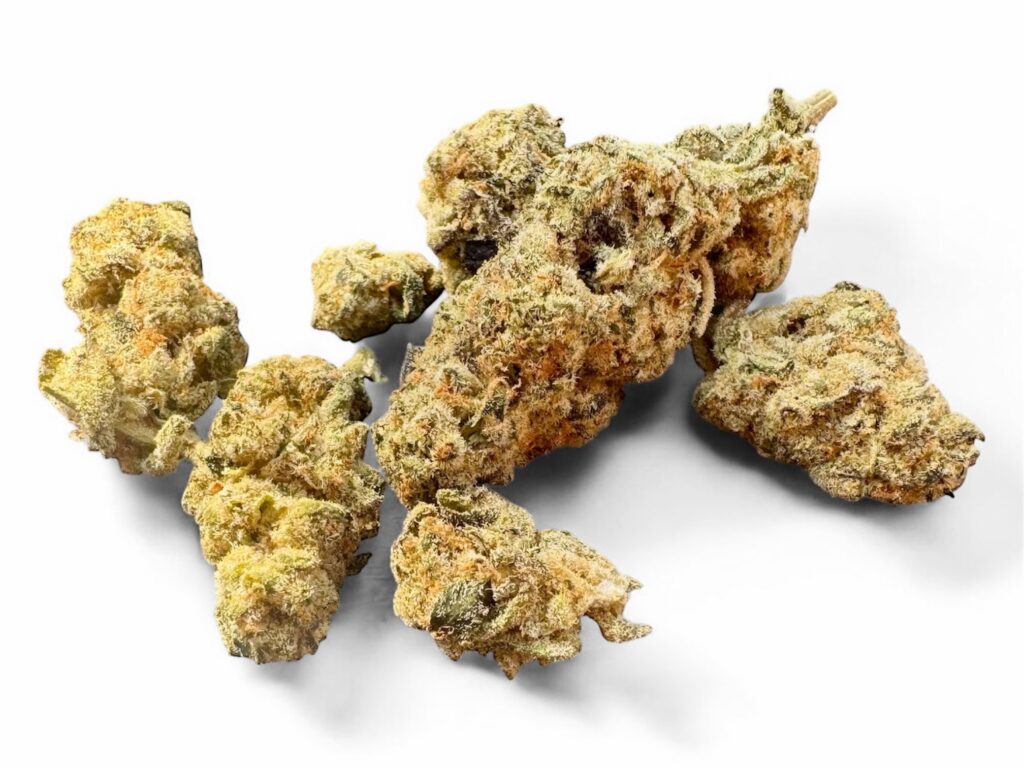
When most people think about cannabis, the first things that come to mind are THC and CBD, the cannabinoids that influence how the plant affects us. But hidden within the flowers and leaves of the plant lies another family of compounds that plays a huge role in shaping both the experience and the therapeutic potential of cannabis: terpenes. These naturally occurring aromatic molecules are the very essence of what makes cannabis strains smell and taste so distinct. From the sharp citrus punch of a sativa to the earthy, calming aroma of an indica, terpenes are behind it all.
Terpenes aren’t exclusive to cannabis. They’re found throughout nature—in the zest of an orange, the soothing scent of lavender, the piney aroma of a forest after rain. In plants, terpenes act as protectors, deterring pests and attracting pollinators. In humans, however, they interact with our bodies in fascinating ways, contributing to what is called the “entourage effect.” This means that terpenes work hand-in-hand with cannabinoids like THC and CBD, enhancing or balancing their effects to create a richer and more therapeutic experience. For medical cannabis users, terpenes are just as important as cannabinoids when it comes to finding the right strain or product to meet their needs.

So, which terpenes matter most, and what do they actually do? Let’s take a look at some of the key players.
Myrcene is one of the most abundant terpenes in cannabis, giving strains that earthy, musky scent often compared to cloves or cardamom. Known for its sedative qualities, it is often linked with the relaxing effects of indica strains. Myrcene has also been studied for its potential pain-relieving and anti-inflammatory properties, making it useful for patients dealing with chronic pain or insomnia.
Limonene is unmistakable—it’s what gives citrus fruits their bright, zesty aroma. Found in many uplifting sativa strains, limonene is thought to elevate mood, reduce stress, and may even have antifungal and antibacterial properties. Research suggests it could also play a role in supporting digestion and boosting the immune system, making it a powerful ally for medical users who need both mental and physical relief.
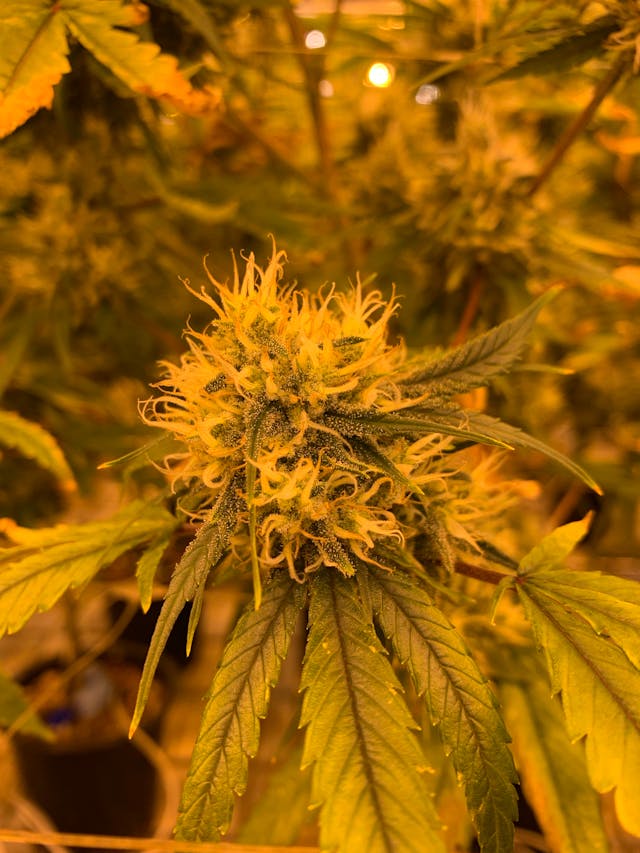
Pinene, as the name suggests, smells just like a walk through a pine forest. It’s actually the most common terpene in the natural world and is known for its anti-inflammatory, bronchodilator, and memory-enhancing qualities. For patients with asthma or breathing difficulties, pinene-rich strains may offer support, and its ability to promote alertness means it could counterbalance the sedative effects of myrcene-heavy strains.
Linalool is beloved for its floral, lavender-like aroma and is widely used in aromatherapy for its calming influence. In cannabis, linalool is often linked to relaxation, stress relief, and anti-anxiety effects. Some studies have also suggested it has anticonvulsant properties, which could be important for patients using medical cannabis to manage epilepsy or other neurological disorders.

Caryophyllene stands out as a spicy, peppery terpene with a unique twist—it’s the only terpene known to directly interact with the endocannabinoid system. Acting on CB2 receptors, caryophyllene has potent anti-inflammatory and pain-relieving effects. This makes it especially interesting in medical cannabis research for conditions such as arthritis, neuropathy, and autoimmune disorders.
Humulene brings an earthy, woody aroma and has traditionally been used in herbal medicine for its appetite-suppressing properties. Unlike THC, which is famous for increasing appetite, humulene appears to balance this effect, making it a terpene worth considering for patients who want to manage weight while using medical cannabis.
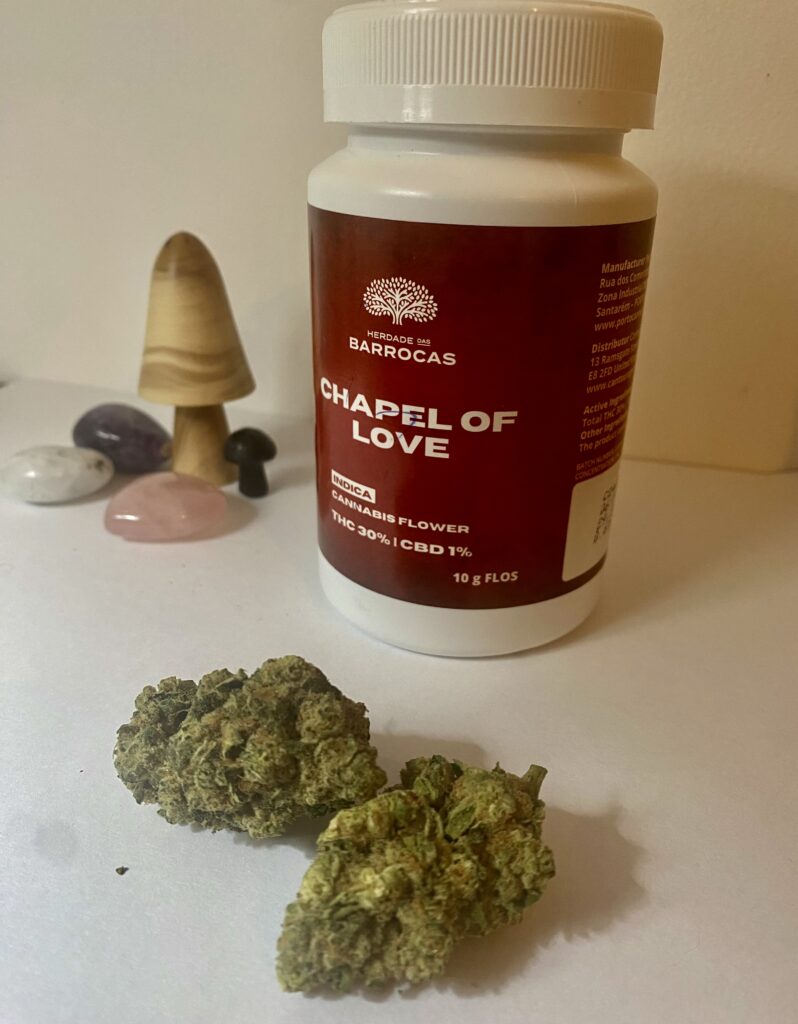
Beyond these well-known names, cannabis contains a wide range of lesser-known but equally fascinating terpenes:
Terpinolene has a fresh, herbal, slightly floral scent often found in sativa strains. Known for its uplifting and energising effects, it may act as a natural antioxidant and has been researched for its potential antimicrobial and even anticancer properties.
Ocimene carries a sweet, woody, citrus-like fragrance and is linked to energising, mood-lifting effects. It’s also believed to have antiviral, antifungal, and anti-inflammatory benefits, which makes it valuable from a therapeutic standpoint.
Valencene, as you might guess, is found in Valencia oranges. Its citrusy aroma is invigorating and refreshing, and it has been studied for insect-repelling, anti-inflammatory, and skin-protecting qualities.
Geraniol is a floral terpene also found in roses, lemongrass, and geraniums. Its pleasant aroma is calming, and it may have neuroprotective and antioxidant properties, making it especially interesting for long-term brain health support.

Eucalyptol (cineole) gives off a minty, cooling aroma and is commonly found in eucalyptus. In cannabis, it may help with focus, alertness, and respiratory health while also carrying antibacterial properties.
Camphene has a pungent, herbal aroma and has been studied for its cardiovascular benefits, including lowering cholesterol and triglycerides. Some researchers suggest it may play a role in antioxidant activity, protecting the body from oxidative stress.
Nerolidol smells woody and fresh, a little like tree bark. It has been researched for its sedative qualities, antifungal properties, and even potential to help deliver other medications through the skin due to its ability to penetrate cell membranes.

Each of these terpenes adds another layer to the complexity of cannabis, helping to shape not only the sensory experience but also the therapeutic profile of a strain. This is why two plants with identical THC or CBD levels can feel worlds apart—the difference often lies in the terpene mix.
For medical cannabis users, understanding terpenes is like unlocking a personalised toolkit for well-being. Whether the goal is better sleep, more energy, pain relief, or anxiety reduction, terpene profiles can help guide the way. More dispensaries are now providing detailed terpene information on their products, which allows patients to select strains that are tailored not just to their symptoms, but to their unique body chemistry and preferences.
In the end, terpenes are much more than the scents and flavours of cannabis—they are the subtle but powerful guides that direct the plant’s healing journey. By exploring and embracing the diversity of these aromatic compounds, medical cannabis users can move closer to a treatment that truly feels designed for them.
Love Life & Discover Yourself x
Quick Terpene Reference Guide
| Terpene | Aroma/Flavour | Main Effects & Potential Benefits |
|---|---|---|
| Myrcene | Earthy, musky, clove-like | Sedative, pain relief, anti-inflammatory, promotes sleep |
| Limonene | Citrus, lemon, orange | Mood-lifting, stress relief, antifungal, immune support |
| Pinene | Pine, fresh forest | Anti-inflammatory, bronchodilator, memory support, alertness |
| Linalool | Floral, lavender | Relaxing, anti-anxiety, anticonvulsant, sleep aid |
| Caryophyllene | Spicy, peppery, woody | Anti-inflammatory, pain relief, interacts with CB2 receptors |
| Humulene | Earthy, woody, hoppy | Appetite suppressant, anti-inflammatory, antibacterial |
| Terpinolene | Herbal, floral, fresh | Uplifting, antioxidant, antimicrobial, anticancer potential |
| Ocimene | Sweet, woody, citrusy | Energising, antiviral, antifungal, anti-inflammatory |
| Valencene | Citrus, orange zest | Invigorating, anti-inflammatory, insect-repelling |
| Geraniol | Floral, rosy, sweet | Calming, antioxidant, neuroprotective |
| Eucalyptol | Minty, fresh, cooling | Focus, alertness, respiratory support, antibacterial |
| Camphene | Pungent, herbal, musky | Cardiovascular support, antioxidant, anti-inflammatory |
| Nerolidol | Woody, fresh, tree bark | Sedative, antifungal, skin penetration enhancer for medicines |
References
- Baron, E. P. (2018). Medicinal properties of terpenes found in cannabis sativa and indica. Cannabis and Cannabinoid Research, 3(1), 203–216. https://doi.org/10.1089/can.2018.0014
- Russo, E. B. (2011). Taming THC: Potential cannabis synergy and phytocannabinoid–terpenoid entourage effects. British Journal of Pharmacology, 163(7), 1344–1364. https://doi.org/10.1111/j.1476-5381.2011.01238.x
- Komori, T., Fujiwara, R., Tanida, M., Nomura, J., & Yokoyama, M. M. (1995). Effects of citrus fragrance on immune function and depressive states. Neuroimmunomodulation, 2(3), 174–180. https://doi.org/10.1159/000097202
- Yang, T., Stoopen, G., Thoen, M., Wiegers, G., Jongsma, M. A., & van Loon, J. J. A. (2013). Chrysanthemyl diphosphate synthase operates in planta as a bifunctional enzyme with geranyl diphosphate synthase activity. Journal of Biological Chemistry, 288(36), 26014–26023. https://doi.org/10.1074/jbc.M113.487900
- Cho, K. S., Lim, Y. R., Lee, K., Lee, J., Lee, J. H., & Lee, I. S. (2017). Terpenes from forests and human health. Toxicological Research, 33(2), 97–106. https://doi.org/10.5487/TR.2017.33.2.097
- Quintans-Júnior, L. J., Araújo, A. A. S., Brito, R. G., Santos, P. L., Moreira, J. C. F., Lima, T. C., … & Lucca-Júnior, W. (2019). Monoterpenes modulating cytokines—A review. Food and Chemical Toxicology, 123, 233–257. https://doi.org/10.1016/j.fct.2018.10.059
- Salehi, B., Upadhyay, S., Orhan, I. E., Jugran, A. K., Jayaweera, S. L. D., Dias, D. A., … & Martins, N. (2019). Therapeutic potential of α- and β-pinene: A miracle gift of nature. Biomolecules, 9(11), 738. https://doi.org/10.3390/biom9110738
- de Cássia da Silveira e Sá, R., Andrade, L. N., & de Sousa, D. P. (2014). A review on anti-inflammatory activity of monoterpenes. Molecules, 18(1), 1227–1254. https://doi.org/10.3390/molecules18011227