
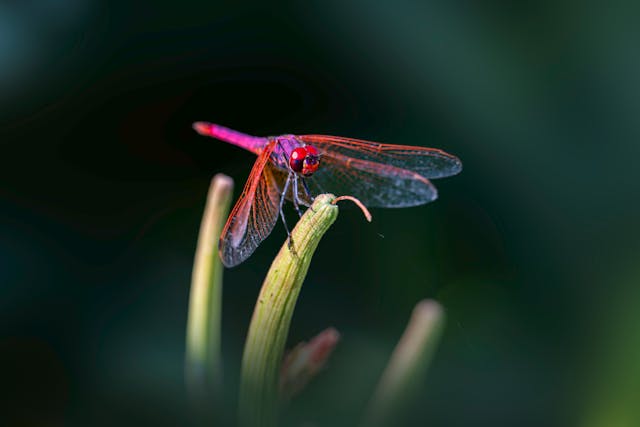
They skim the edges of ponds and streams like tiny living jewels, wings catching the sunlight in flashes of gold, emerald, and sapphire. Sometimes they hover just long enough for you to marvel at them; other times, they vanish in an instant, leaving only the memory of colour shimmering in the air. Dragonflies and their more delicate cousins, damselflies, have been captivating human imagination for centuries. Their beauty is more than skin-deep — these creatures carry layers of symbolism, myth, and ecological importance that make them one of nature’s most fascinating gifts.
Their life cycle alone is a story worth telling. Born as aquatic nymphs, they spend the majority of their lives underwater, feeding and growing, hidden from view. Then, in a transformation worthy of myth, they emerge into the air, shedding their skin and taking flight in a completely new form. This journey from water to sky has made them universal symbols of change, adaptability, and the ability to rise into a new chapter of life after long, unseen preparation. In many ways, they embody the kind of personal transformation that comes when we least expect it — and when we’re finally ready for it.
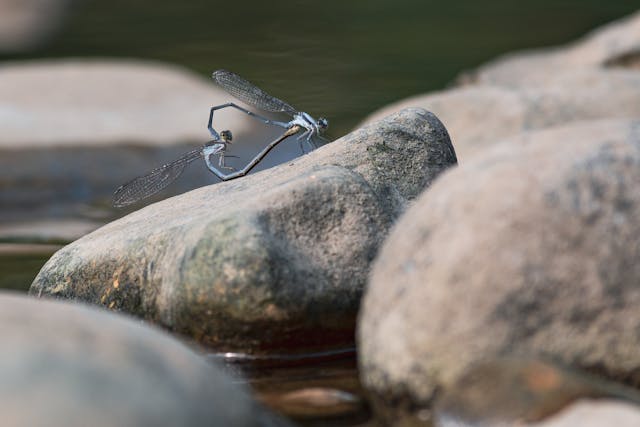
Different cultures have given these winged wonders their own special meanings. In Japan, dragonflies are revered as emblems of courage, happiness, and victory. Samurai warriors once wore them on armour, believing they represented strength and unwavering determination. Native American tribes such as the Navajo and Zuni saw them as symbols of purity, swiftness, and protection, weaving them into art and ceremonial designs. Celtic lore sometimes imagined them as fae companions, slipping in and out of our world from the Otherworld, visible only to those who still believe in everyday magic. In Sweden, a more cautionary tale calls them “the devil’s needle,” warning against dishonesty with the belief they could sew up the lips of liars. In China, they bring prosperity and harmony, while in parts of Africa, they symbolise resilience and agility, their darting flight a lesson in navigating life’s challenges with precision.
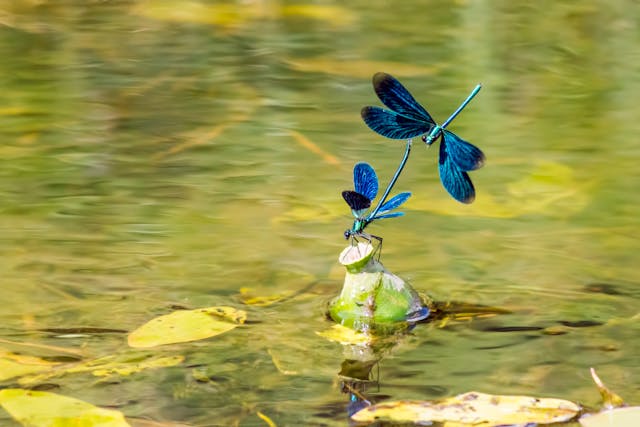
Damselflies, with their slimmer bodies and gentler hovering flight, have gathered their own meanings over time. Where dragonflies are bold and fast, damselflies are seen as delicate, reflective, and emotionally attuned. Their quiet presence suggests grace and a deep awareness of the subtler details of life. Together, dragonflies and damselflies form a perfect balance — courage and gentleness, swiftness and stillness, transformation and patience.
Yet, for all the mystery they carry in our minds, their earthly role is equally impressive. Unlike bees and butterflies, they do not visit flowers for nectar and so are not major pollinators. Instead, they are nature’s skilled hunters, keeping insect populations in check. As adults, they feed on mosquitoes, flies, and midges — sometimes catching their prey mid-flight with a precision that rivals birds of prey. Beneath the surface of ponds and wetlands, their nymphs feed on mosquito larvae, tadpoles, and even tiny fish, while themselves becoming food for fish, frogs, birds, and bats. In this way, they hold an essential place in the food web, providing both pest control and nourishment for other species.
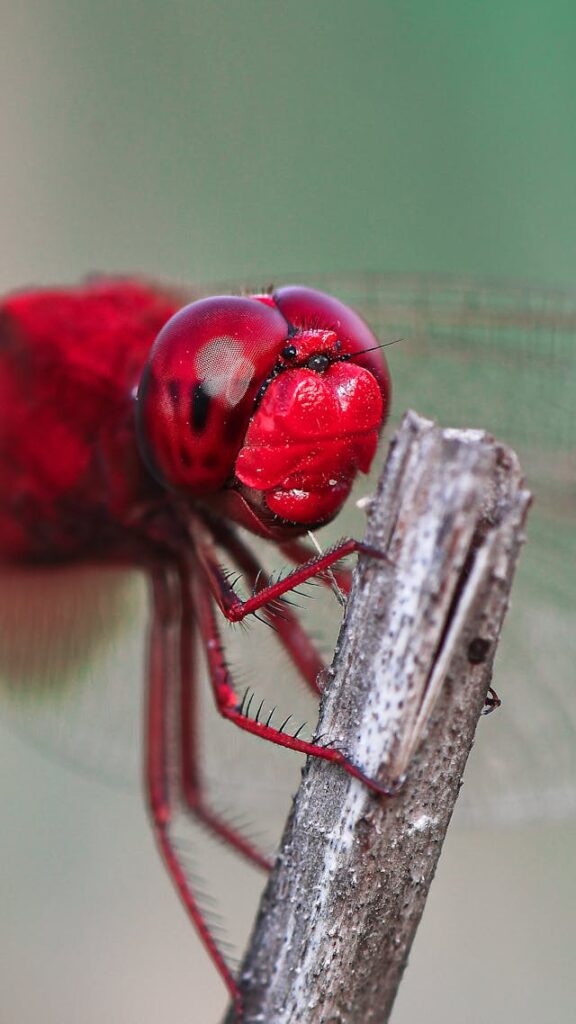
Their presence is also an indicator of environmental health. Dragonflies and damselflies can only thrive in clean, unpolluted water, so spotting them near a lake or stream is a good sign the ecosystem is thriving. Where they are abundant, biodiversity tends to be rich, and the balance between species is maintained.
Watching them, you might find yourself caught between worlds — the practical, grounded knowledge that they are vital for keeping nature in balance, and the quiet pull of their mystical allure. They remind us that beauty and purpose are not separate things, that transformation is always possible, and that the most magical moments are often brief. In their shimmering wings and darting movements, dragonflies and damselflies are messengers of both the earth and the spirit, embodying the very harmony Nomadify seeks to inspire: living in tune with nature, honouring its rhythms, and finding joy in the fleeting wonders all around us.
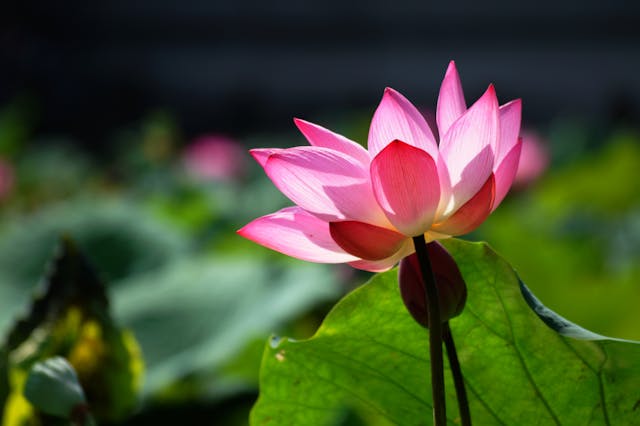
Spending time in the presence of dragonflies and damselflies is also a reminder of how deeply nature supports our well-being. Studies have shown that being near water, trees, and open skies can reduce stress, lower blood pressure, and boost mood by increasing serotonin levels. Watching the effortless dance of these winged jewels can quiet the mind in ways modern life rarely allows, offering a natural form of mindfulness that requires nothing more than stillness and observation. In Japanese culture, dragonflies are sometimes called kachimushi — “victory insects” — and perhaps their real gift to us is the victory of calm, perspective, and reconnection with the rhythms of the natural world. When we pause long enough to notice them, we are reminded that healing often happens not through striving, but through simply being present in nature’s embrace.
Love Life & Discover Yourself x
References
- Corbet, P. S. (1999). Dragonflies: Behavior and Ecology of Odonata. Cornell University Press.
- National Geographic. (n.d.). Dragonflies. Retrieved from: https://www.nationalgeographic.com
- Smithsonian Magazine. (2012). The Myth and Science of Dragonflies. Retrieved from: https://www.smithsonianmag.com
- Matthews, J., & Matthews, C. (2004). The Element Encyclopedia of Magical Creatures. HarperElement.