
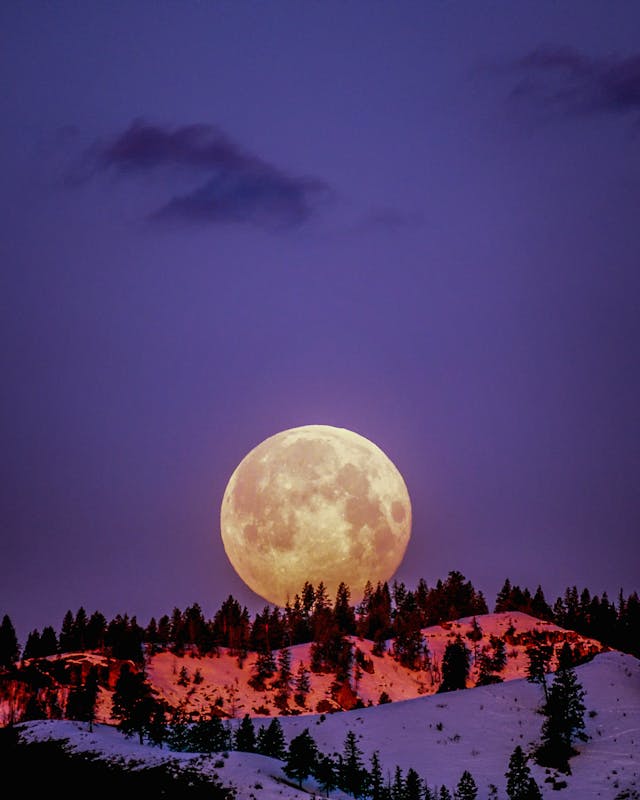
There’s something undeniably magnetic about the moon. For centuries, people across cultures have looked to its cycles for guidance, rhythm, and renewal. Today, the ancient practice of lunar manifesting is experiencing a heartfelt revival—tapping into the moon’s phases to set intentions, practice gratitude, and align with nature’s gentle wisdom. While it might sound like a dreamy wellness trend, lunar manifesting is actually grounded in psychology, neuroscience, and even chronobiology. More than just a ritual, it’s a reflective tool for cultivating awareness and positive change.
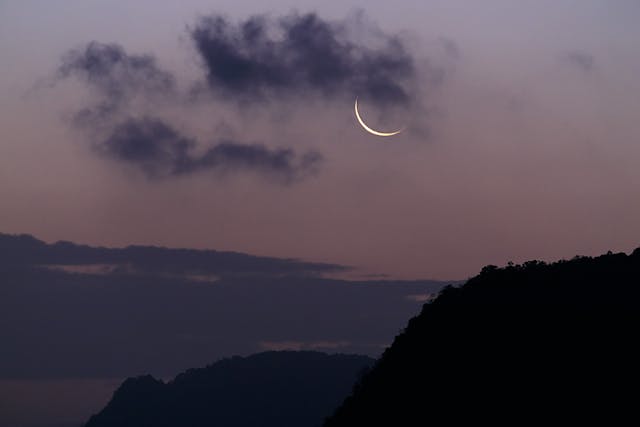
The moon’s natural cycle mirrors the journey of growth and release that we go through in our own lives. Each of the eight lunar phases—from the new moon to the full moon and back again—offers an energetic pulse that encourages different types of inner work. The new moon is a symbolic time for planting seeds: not in the soil, but in your mind. This is when we get clear on what we want, setting intentions with hope and clarity. Psychologists note that engaging in goal setting with visualisation and emotional intent, such as in a lunar ritual, can increase the likelihood of action and follow-through by activating the brain’s reward centre and stimulating dopamine release (Oettingen, 2014).

As the moon waxes, we’re encouraged to take inspired steps toward our goals. Journaling, affirmations, and physical action all support the process. The full moon, luminous and powerful, is often seen as a time of celebration and release. Science shows that full moons may affect sleep and mood (Cajochen et al., 2013), making them ideal moments to let go of emotional clutter, forgive yourself or others, and express gratitude. Practising gratitude during this phase aligns with positive psychology principles, which show that regular gratitude expression can rewire the brain toward optimism and increase emotional resilience (Emmons & McCullough, 2003).
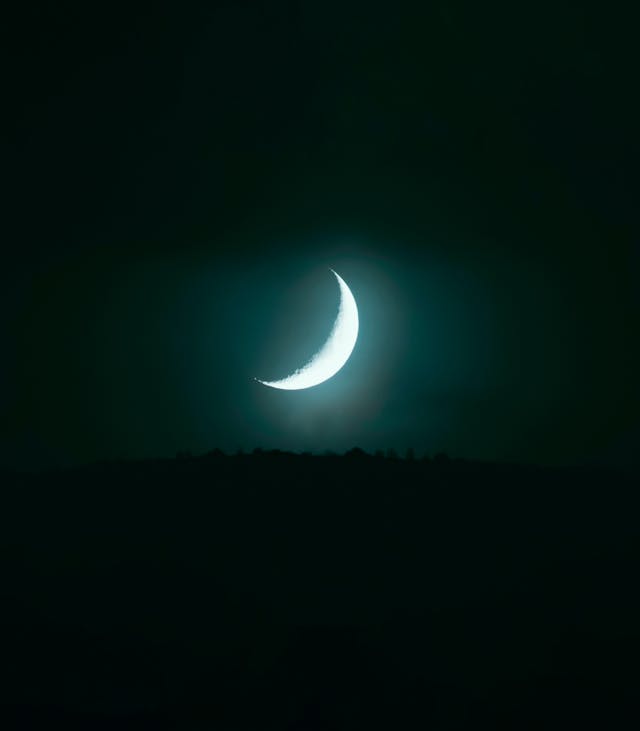
In the waning phase of the moon, we reflect, recalibrate, and rest. This is a time for realignment and quiet growth—an essential phase that reminds us that progress doesn’t always look like action. Many people use this time to detox from overstimulation, reconnect with themselves through meditation or breathwork, or journal about lessons learned.
Lunar manifesting is especially powerful because it connects us to rhythms larger than ourselves. In our fast-paced modern world, these ancient celestial cycles offer grounding structure and gentle permission to ebb and flow. Whether you’re in the UK watching the moon rise over ancient stone circles or in the USA soaking in its glow from a city balcony, the practice transcends borders and backgrounds.
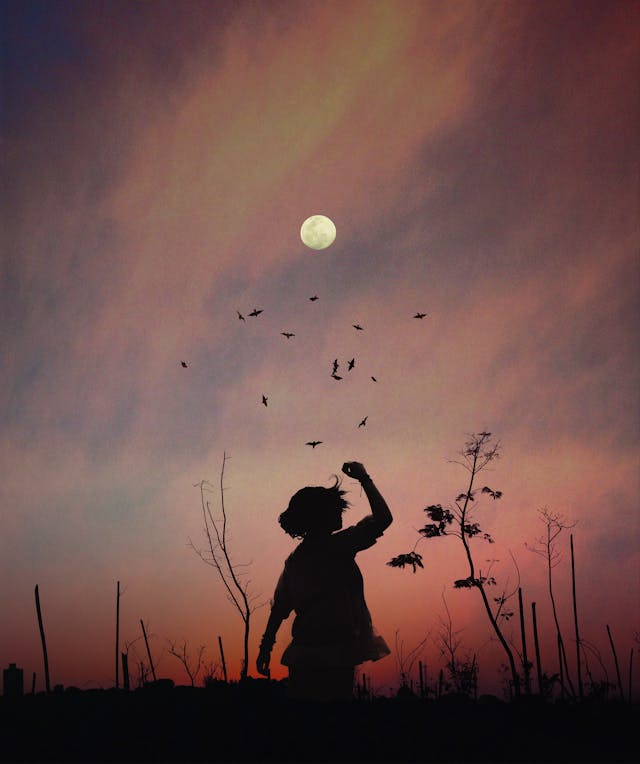
The beauty of lunar manifesting lies not in perfection but in presence. You don’t need to be an expert astrologer or follow strict rules. You simply need to tune in, listen, and trust that growth comes in phases—just like the moon. Lighting a candle, writing in your journal, or speaking your intentions aloud under moonlight all help make your inner desires feel more tangible and sacred.
Here is your 🌕 Moon Phases Table:
| Month | Moon Phase | Date |
|---|---|---|
| August 2025 | New Moon | August 1 |
| First Quarter | August 8 | |
| Full Moon | August 15 | |
| Last Quarter | August 23 | |
| New Moon | August 30 | |
| September 2025 | First Quarter | September 6 |
| Full Moon | September 14 | |
| Last Quarter | September 21 | |
| New Moon | September 29 | |
| October 2025 | First Quarter | October 6 |
| Full Moon | October 13 | |
| Last Quarter | October 21 | |
| New Moon | October 29 | |
| November 2025 | First Quarter | November 5 |
| Full Moon | November 12 | |
| Last Quarter | November 20 | |
| New Moon | November 28 | |
| December 2025 | First Quarter | December 5 |
| Full Moon | December 12 | |
| Last Quarter | December 20 | |
| New Moon | December 27 |
Love Life & Discover Yourself x
References
- Cajochen, C., Altanay-Ekici, S., Münch, M., Frey, S., Knoblauch, V., & Wirz-Justice, A. (2013). Evidence that the lunar cycle influences human sleep. Current Biology, 23(15), 1485–1488.
- Emmons, R. A., & McCullough, M. E. (2003). Counting blessings versus burdens: An experimental investigation of gratitude and subjective well-being in daily life. Journal of Personality and Social Psychology, 84(2), 377–389.
- Oettingen, G. (2014). Rethinking Positive Thinking: Inside the New Science of Motivation. Current.
- Kelly, I. W. (1996). Lunar cycles and human behavior: A skeptical review. Psychological Reports, 79(3), 131–139.
- Lunar Abundance by Ezzie Spencer, PhD.
- Mindful.org – How the Moon Influences Emotions: https://www.mindful.org