
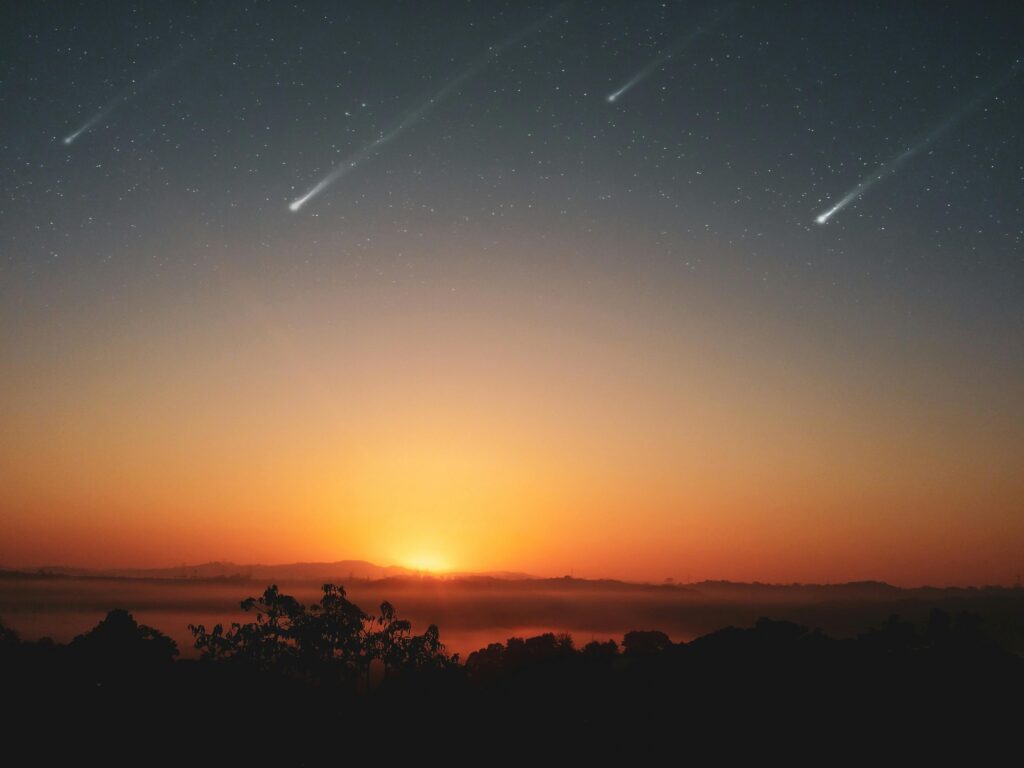
Get ready to look up and be amazed as the night sky treats us to a celestial celebration on May 5th and 6th—an enchanting meteor shower that promises to dazzle skywatchers around the world. This isn’t just a random flurry of shooting stars; it’s the Eta Aquariid meteor shower, one of the most spectacular shows in our cosmic calendar, and it’s poised to deliver a display of natural beauty that reminds us just how wondrous our universe truly is. Originating from none other than Halley’s Comet, this shower occurs annually when Earth passes through the stream of debris left behind by the famed comet as it loops around the Sun. These tiny fragments, often no larger than grains of sand, ignite when they hit our atmosphere at speeds over 60 km per second, producing brilliant streaks of light across the sky.
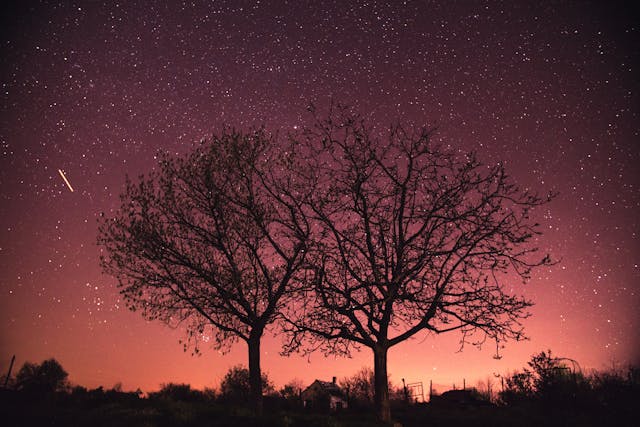
The best time to watch this magical event will be in the early hours before dawn on both May 5th and 6th, when the sky is darkest and the radiant point—the spot in the sky from which the meteors appear to originate—has risen high. For the Eta Aquariids, the radiant is in the constellation Aquarius, which rises in the southeastern sky just before sunrise. While the show can be enjoyed from nearly anywhere, those in the Southern Hemisphere or closer to the equator will enjoy the best views, with up to 20-40 meteors visible per hour in ideal conditions. However, don’t worry if you’re in the Northern Hemisphere; away from city lights, under a clear sky, you can still catch 10-20 meteors an hour. Find a quiet, dark spot—preferably rural and away from urban glow—lie back, and let your eyes adjust to the darkness for at least 20 minutes. You won’t need telescopes or binoculars; this is a show designed for the naked eye.
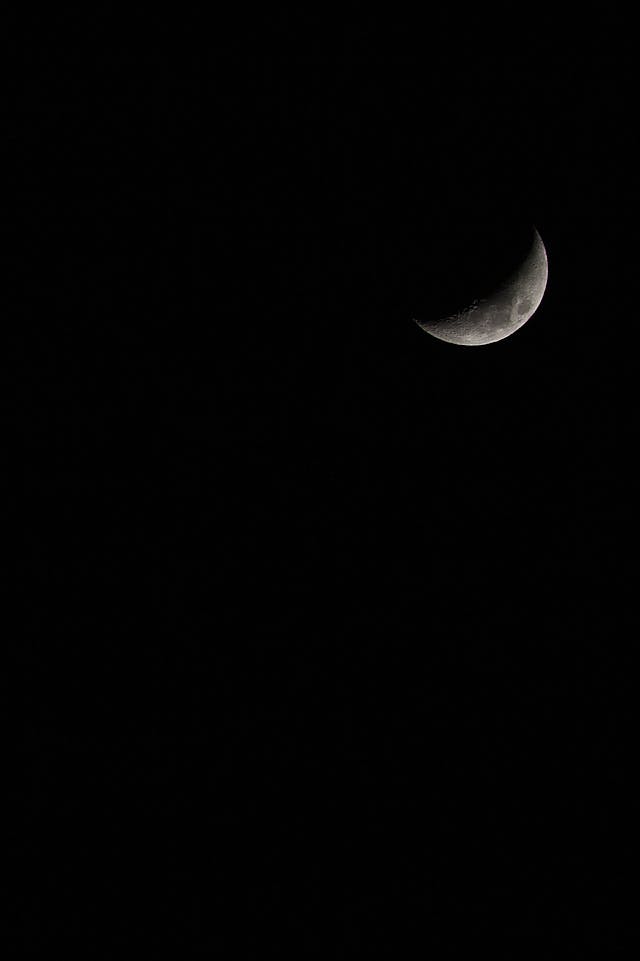
The Eta Aquariid meteor shower is a recurring event, appearing each year from late April through mid-May. Its peak, however, is what truly captivates stargazers, and this year’s display promises to be especially vivid due to the waning crescent moon, which will keep the skies dark and allow even the fainter meteors to shine through. Historically, this shower has been observed for centuries, with records dating back over a thousand years. The particles you’ll see burning up in the atmosphere were likely shed from Halley’s Comet hundreds of years ago. Halley’s itself won’t return to our skies until 2061, but its remnants continue to gift us with these spectacular light shows annually. The next significant Eta Aquariid peak will occur again in early May next year, but no two shows are ever quite the same due to Earth’s shifting position and slight variations in the comet’s debris trail.
So why do these meteors streak so brightly across the sky? Scientifically, it’s all about speed and friction. As Earth orbits the Sun, it sometimes intersects the path of ancient cometary debris. These meteoroids, upon slamming into our atmosphere, compress the air in front of them, creating intense heat that vaporizes the material and produces that brilliant glow we know as a “shooting star.” It’s a fleeting but awe-inspiring reminder that we are part of a vast, dynamic cosmos, forever moving and shifting, and occasionally offering us front-row seats to its natural spectacles.

Let this meteor shower be more than just a visual treat—a moment of connection to something greater. Step away from screens, gather friends, or simply find solace in solitude beneath the stars, and allow yourself to marvel at the universe’s timeless choreography. These moments of cosmic awe can ground us, reminding us that we’re part of a vast, interconnected web of energy and life. Watching the heavens unfold in such a spectacular display can evoke a profound sense of peace and perspective, dissolving everyday stress and rekindling a sense of wonder. As the meteors streak across the night sky, allow yourself to breathe deeply, to reflect, and to feel the stillness of the universe mirrored within you. This deep, silent communion with the cosmos has a way of healing the spirit—of reminding us that we are not alone, but part of something eternal, beautiful, and filled with light.