
When we think of cannabis and its effects, most of us immediately think of THC—the compound responsible for that classic high. But there’s a lesser-known cannabinoid quietly doing its thing behind the scenes: THCa, or tetrahydrocannabinolic acid. It might not get you high in its raw form, but THCa is rapidly becoming the darling of the cannabis wellness world. So what exactly is it, how does it work, and what happens when you turn up the heat?
THCa is the non-psychoactive, acidic precursor to THC. You’ll find it naturally in raw and freshly harvested cannabis. That gorgeous sticky bud you see? Packed with THCa. But here’s the twist: THCa won’t give you that buzzy, euphoric high unless it’s heated. So if you’re nibbling on raw cannabis leaves or using a cold-pressed tincture, you’re getting all the earthy benefits, without the foggy head.
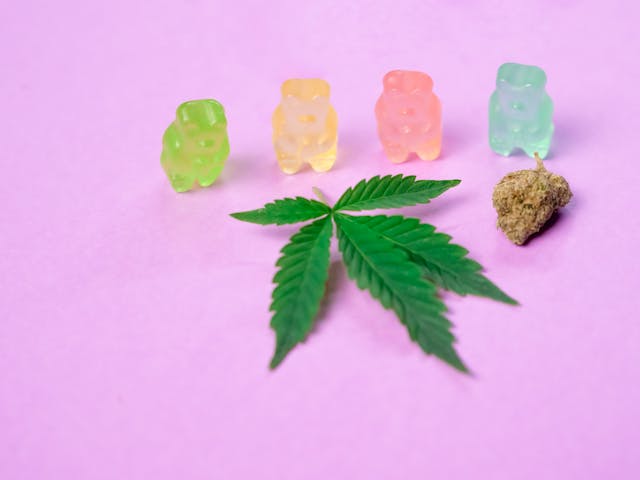
So what happens when you apply heat? Enter decarboxylation—a fancy scientific term for a very simple process. When cannabis is heated (through smoking, vaping, or baking into edibles), THCa loses a little piece of itself—a carboxyl group—and becomes delta-9 THC. This transformation is like Cinderella’s fairy godmother swooping in and giving THCa a sparkly, high-inducing makeover. Suddenly, this once chill, therapeutic compound turns into the star of the psychoactive show. That’s the moment you feel the high: a sense of euphoria, increased appetite, giggles, creativity, or couch-lock—depending on the strain and your unique chemistry.
If you’re smoking a joint, vaping flower, or indulging in a classic weed brownie, you’re not consuming THCa at all—you’re consuming THC, thanks to the heat. That’s why products made to preserve THCa, like raw cannabis juice, unheated tinctures, or THCa crystals, are recommended for therapeutic use when you want the benefits without the buzz.
But let’s not forget that THCa has its special magic. Early studies and anecdotal evidence suggest it may have anti-inflammatory, neuroprotective, and even anti-nausea properties. Researchers are exploring how THCa might help with chronic pain, arthritis, seizures, and degenerative diseases like Parkinson’s and ALS. While we’re still learning exactly how it interacts with the endocannabinoid system, it seems THCa works through a slightly different mechanism than THC, possibly involving enzyme modulation and immune regulation rather than direct CB1 receptor activation (which is why it doesn’t cause a high).
So whether you’re looking for a mellow, non-intoxicating supplement or ready to fire up the full psychoactive experience, it all comes down to temperature. Raw = relaxed, therapeutic THCa. Heat = psychoactive, euphoric THC. It’s a choose-your-own-adventure kind of compound.
In a world where cannabis is more than just a high, THCa is proof that the plant has layers. Whether you’re a wellness warrior looking for inflammation support or a curious explorer experimenting with cannabinoids, THCa is worth knowing. Just remember—heat it, and it turns into a party. Keep it cool, and you’ve got a gentle, healing sidekick.
🌿 Quick Reference Guide: THCa 101
What is THCa?
THCa (tetrahydrocannabinolic acid) is the raw, non-psychoactive form of THC found in fresh cannabis.
Will THCa get me high?
Not unless it’s heated. Raw THCa won’t intoxicate you, but heating it converts it to THC, which will.
How is THCa different from THC?
THCa is non-psychoactive and has potential wellness benefits. THC causes the “high” after decarboxylation.
What are the potential benefits?
Anti-inflammatory, neuroprotective, anti-nausea, anti-seizure, and possibly helpful in managing chronic conditions.
How is THCa consumed?
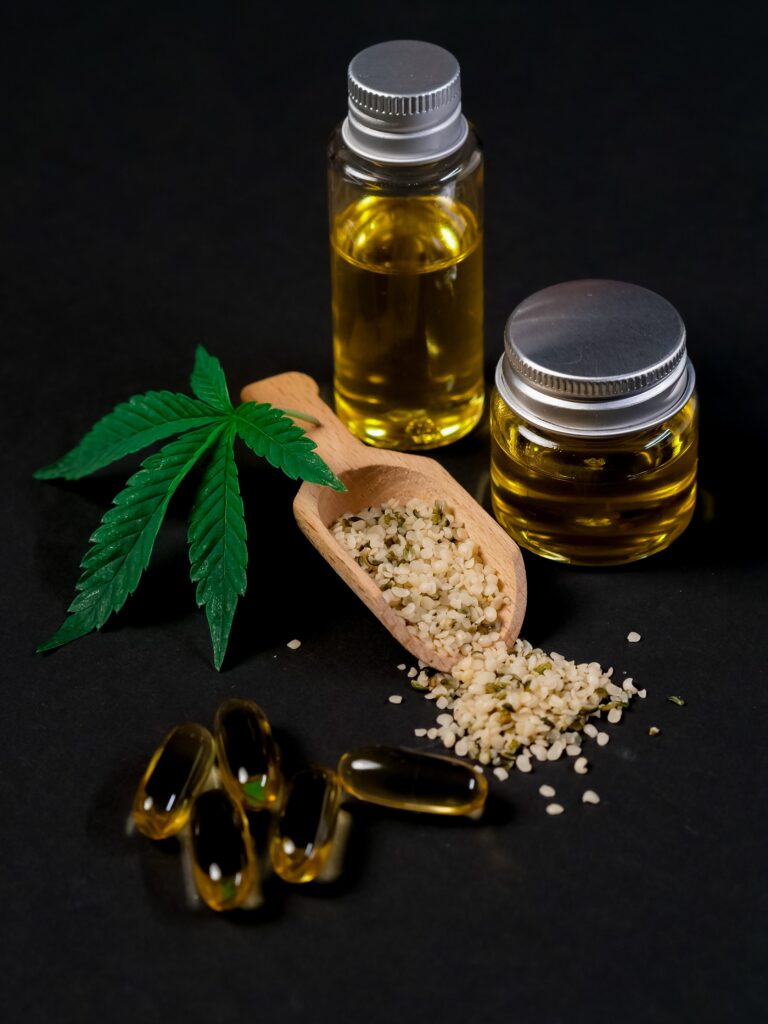
Best in raw or minimally processed forms like raw cannabis juice, cold tinctures, capsules, or topicals—without heat.

🌱 How to Try THCa at Home (Without Getting High)
Raw cannabis juice or smoothies are a refreshing way to include THCa in your routine. Blend fresh cannabis leaves or flowers with fruits and veggies just like you would kale or spinach. The key is to keep it raw—no heat means you keep all that beautiful THCa intact.
Cold-pressed tinctures are another easy option. Look for products labelled specifically with THCa and make sure they’re not decarboxylated. Drop a few drops under your tongue or into a cool herbal tea for a subtle, plant-powered pick-me-up.
THCa crystalline or isolate is the ultra-purified form of this cannabinoid. It’s usually a fine white powder or crystal that you can add to a capsule, stir into a chilled drink, or blend with yoghurt or raw honey. It’s perfect for those who want exact dosing and no guesswork.
Chilled topicals like THCa creams or balms are great for sore muscles, joint pain, or tension headaches. Just apply to the area and let the compound do its thing—no brain buzz, just body bliss.
Most importantly, avoid heat if you want to keep the THCa intact. That means no smoking, no vaping, no baking. Store your THCa products in a cool, dark place to preserve their potency and keep that non-psychoactive magic alive.
🌸 Wellness Ideas: Everyday Ways to Embrace THCa Without the High
Looking to weave THCa into your wellness routine? Here are some down-to-earth, feel-good ways to use this powerful plant compound—no high, no haze, just holistic healing.
🌿 Morning Glow-Up with Raw Green Juice
Start your day with a wellness smoothie packed with leafy greens, pineapple, ginger, and a few fresh cannabis leaves (rich in THCa). This combo can support digestion, reduce inflammation, and give you a clean energy boost.
🧘 Pre-Yoga Calm
Drop a dose of THCa tincture under your tongue before your yoga or meditation session. Since THCa doesn’t cloud your mind, it’s ideal for helping you settle in, stretch deeper, and stay present, without any drowsiness.
🛁 Bath Time, but Make it Plant-Based
Add a THCa-infused bath bomb or a few drops of THCa oil into your bath for a relaxing, anti-inflammatory soak. Great for sore muscles, menstrual cramps, or just general end-of-day zen.
🍵 Afternoon Chill with a Cool Elixir
Brew some herbal tea (chamomile and lemon balm are fab), let it cool a bit, then add a THCa tincture or isolate. Sip slowly while journaling or reading for a mindful, brain-boosting break.
🖐️ Massage Therapy Upgrade
Mix a little THCa-infused balm with your favorite carrier oil (like coconut or jojoba) for an ultra-soothing massage. It can target localized pain and inflammation, especially in joints and tense areas.
🌙 Evening Ritual Wind-Down
Before bed, use THCa topicals or take a cool THCa capsule alongside magnesium and valerian root for a triple threat against stress and tension. It’s a gentle way to ease your system into sleep without grogginess the next day.
🌼 Micro-Moments of Calm
Keep a THCa roll-on or balm in your bag. Whenever you feel anxious or your neck gets tight from too much screen time, dab a little on your temples, wrists, or behind your ears. Inhale deeply and reset.
Final Thought
THCa isn’t just for the lab or the hardcore cannabis crowd. It’s a subtle, smart way to support your body and mind—whether to ease inflammation, protect your brain, or just feel better in your skin. And best of all? It does all that without hijacking your day.
Visit BillAustinMedia.com or Dr Ganga for more information regarding ordering THCa (USA only).
In the UK, and interested in medical cannabis, visit the link – https://nomadify.co.uk/when-the-drugs-dont-work/ to find out more.
This post contains affiliate links. If you click through and make a purchase, I may earn a commission at no additional cost to you. I only recommend products and services I trust.
Love Life x
References
- Rock, E. M., et al. (2013). “Cannabinoids in the treatment of chemotherapy-induced nausea and vomiting.” British Journal of Pharmacology.
- Havelka, J., & Kurča, E. (2021). “Neuroprotective Properties of Cannabinoids in Neurodegenerative Diseases.” International Journal of Molecular Sciences.
- Russo, E. B. (2011). “Taming THC: potential cannabis synergy and phytocannabinoid-terpenoid entourage effects.” British Journal of Pharmacology.