
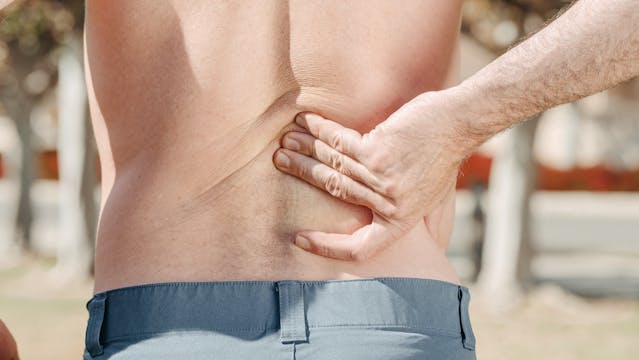
Belts and abdominal binders have long been part of traditional medicine practices across cultures, but modern science is now catching up to support their benefits in specific health scenarios. From easing the pain of sciatica to supporting postpartum healing, and even aiding in the removal of excess fluid around the midsection, these specially designed belts do more than just shape your body—they can provide critical physical support and even bolster mental well-being.
Sciatica, caused by irritation or compression of the sciatic nerve, often leads to radiating pain from the lower back down the legs. Lumbar support belts, when worn correctly, help stabilize the lower spine and reduce the strain on surrounding muscles. By limiting micro-movements that can aggravate the nerve, these belts contribute to reduced inflammation and pain. Studies have shown that lumbar orthoses can significantly decrease the intensity and frequency of lower back and sciatic pain, especially when used alongside physiotherapy and ergonomic modifications. The psychological relief that comes from less pain should not be underestimated—it often allows for better sleep, improved mobility, and a reduced sense of vulnerability, which in turn enhances overall quality of life.
For new mothers, abdominal belts or postpartum binders provide crucial support to weakened abdominal muscles and strained pelvic ligaments. After childbirth, the body undergoes significant physical shifts—diastasis recti (separation of the abdominal muscles) is common, and internal organs begin repositioning. Abdominal binders gently compress the area, supporting the muscles and ligaments as they heal and re-align. Clinically, this can help reduce pain, improve posture, and even accelerate the healing process. Research in obstetrics has confirmed that women using postpartum support belts report lower pain scores, enhanced core stability, and greater comfort during daily activities compared to those who do not. Mentally, this sense of physical containment can reduce feelings of vulnerability, help new mothers feel more in control of their bodies, and potentially lower the risk of postpartum depression linked to discomfort and immobility.
The notion that abdominal binders can aid in the removal of toxins and excess fluids has roots in lymphatic drainage science. While the body naturally manages toxins through the liver, kidneys, and lymphatic system, gentle compression can support lymphatic flow, especially after surgery or trauma. Post-surgical compression garments are standard practice for this very reason—they reduce oedema (fluid retention) and help the body return to equilibrium. Though the idea of “detox” is often misused in wellness circles, there is evidence that compression helps reduce localized swelling and fluid build-up, particularly in the abdominal and pelvic regions. This leads not only to physical relief but a visible reduction in bloating, which can offer a confidence boost and encourage healthier behaviours like movement and hydration.
Support belts also have a broader effect on posture and spinal alignment. Poor posture contributes to muscular strain, fatigue, and chronic pain, all of which can have knock-on effects on mental health. A simple support garment can remind the wearer to engage their core muscles and maintain proper alignment, which translates into reduced fatigue and more energy for everyday life. This subtle but continuous support can empower people to return to regular activities and exercise more confidently, both of which are well-established mood enhancers.
It’s important to note that while belts and binders are helpful tools, they are most effective when integrated into a holistic approach to healing. Physical therapy, movement, rest, and hydration all play important roles. Belts are not a cure, but a companion—offering the kind of daily, wearable support that helps people feel strong, aligned, and in control of their healing journey. Whether it’s the sharp jab of sciatica, the deep fatigue after birth, or the frustration of chronic bloating, the simple act of wrapping a supportive belt around the body can be a powerful gesture of care and restoration.
Don’t let back pain control you. Visit Dainly Belts #1 solution for back pain.
Love Life x
References
- van Poppel, M. N. M., de Vet, H. C. W., & van Mechelen, W. (2002). Lumbar supports and education for the prevention of low back pain in industry: a randomized controlled trial. Occupational and Environmental Medicine, 59(12), 799-804.
- Hill, A. M., McPhail, S. M., Wilson, J. M., & Berlach, R. G. (2016). Postnatal abdominal muscle training and its role in the treatment of diastasis recti: a review of the literature. Physiotherapy Theory and Practice, 32(5), 353–358.
- Graham, I. D., Logan, J., Davies, B., & Nolan, M. (2002). The effects of postpartum binders on recovery following vaginal delivery. Journal of Obstetric, Gynecologic & Neonatal Nursing, 31(4), 403-410.
- Vowden, K., & Vowden, P. (2014). The role of compression therapy in the management of venous leg ulcers. International Wound Journal, 11(4), 389–403.
- Kaya, S., Çelenay, Ş. T., & Arslan, S. A. (2020). The effect of lumbar support on posture, balance and pain in patients with low back pain: a randomized controlled study. Clinical Rehabilitation, 34(5), 667–675.