
Nomadify is publishing a multi post series – The Importance of a Healthy, Balanced Diet
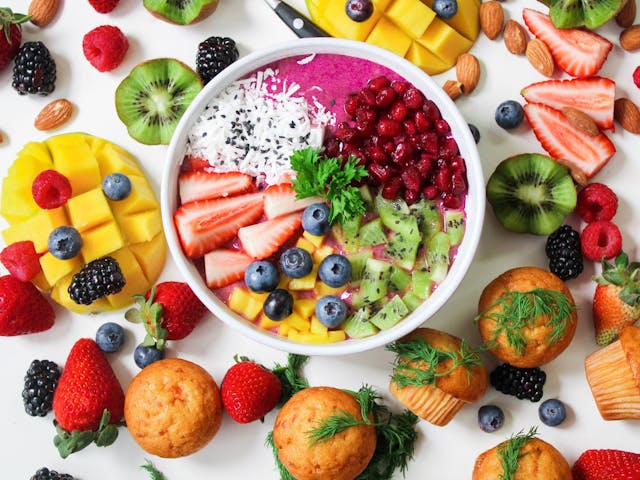
Going vegan isn’t just an ethical or environmental choice—it’s a serious gift to your health when done right. A well-balanced vegan diet can offer almost everything your body and mind need to thrive. It’s not about restriction—it’s about nourishment. A healthy vegan lifestyle is based on a colourful array of whole foods: think leafy greens, juicy berries, sweet potatoes, quinoa, beans, tofu, chickpeas, nuts, and seeds. These aren’t just delicious—they’re loaded with fibre, antioxidants, and essential vitamins.
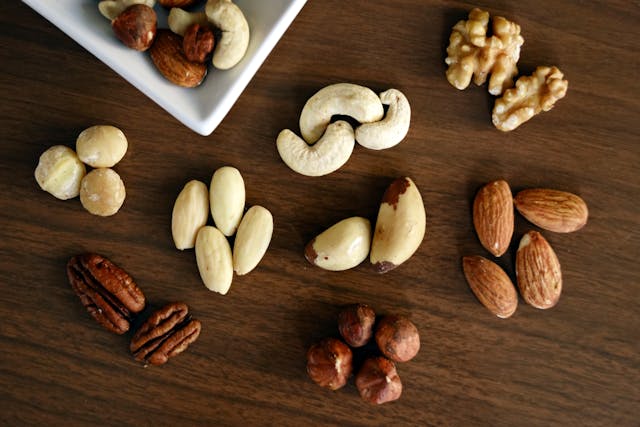
Plant-based proteins like lentils, tempeh, and black beans give your body what it needs to build and repair tissue without saturated fats. Whole grains such as oats and brown rice fuel your energy levels, while healthy fats from avocados, chia seeds, and walnuts keep your brain humming. And let’s not forget the rainbow of fruits and veg, packed with vitamin C, potassium, and mood-boosting folate. Research shows vegan diets are associated with lower risks of heart disease, high blood pressure, type 2 diabetes, and even some cancers.
Mentally, a plant-rich diet can help reduce symptoms of anxiety and depression. This is partly due to its anti-inflammatory effect and the gut-brain connection—your gut bacteria flourish when fed fibre-rich plant foods, which in turn supports better mental clarity and mood regulation.

One thing all vegans should keep in mind is supplementation. Vitamin B12 is essential and not available naturally in plant foods, so taking a B12 supplement is a must. Vitamin D is also important, especially in darker months. Iron, iodine, calcium, and omega-3 can usually be found in fortified foods or with smart eating—but supplementation can be helpful if your levels are low. A quick chat with your GP or a nutritionist can point you in the right direction.
Love Life x
https://www.bbcgoodfood.com/recipes/collection/vegan-recipes
References:
- Craig, W. J. (2009). Health effects of vegan and vegetarian diets. American Journal of Clinical Nutrition.
- Dinu, M., Abbate, R., Gensini, G. F., Casini, A., & Sofi, F. (2017). Vegetarian, vegan diets and multiple health outcomes: A systematic review with meta-analysis. Critical Reviews in Food Science and Nutrition.
- Li, D. (2014). Effect of the vegetarian diet on non-communicable diseases. Journal of the Science of Food and Agriculture.
- Appleton, K. M., & Rogers, P. J. (2004). Meat consumption and mood. Appetite.
- Jacka, F. N., et al. (2010). Association of Western and traditional diets with depression and anxiety in women. American Journal of Psychiatry.
- National Health Service (NHS UK). (2024). Vitamin and mineral supplements: when they are necessary.
- British Dietetic Association (BDA). (2023). Eating well: Vegan, Vegetarian, and Flexitarian guidance.